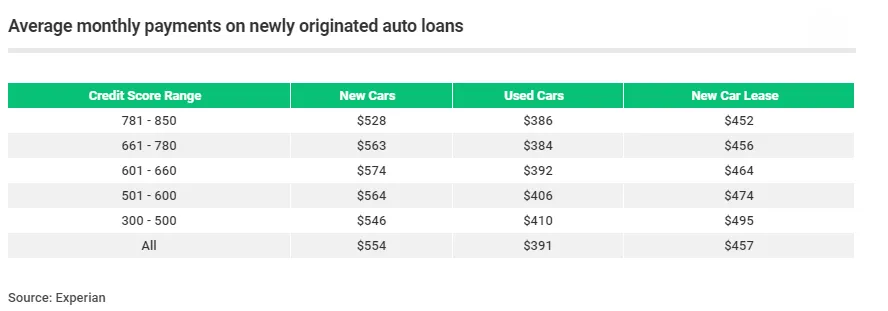
Average Car Monthly Payment Hits Record High
Car buyers are getting squeezed from both sides. Sticker prices remain high, and financing costs have made the average car monthly payment harder to swallow. That matters now because a payment that once fit cleanly into a household budget can push everything else around. Groceries, insurance, repairs, savings. The car loan starts acting like a second rent check.
Look, this is not just a little annoyance. It changes what you can afford, what trim level you choose, and how long you stay in a loan. If you are shopping right now, the numbers can feel brutal. But the damage is not random. It follows a few clear forces, and you can work around some of them if you know where to look.
What the average car monthly payment is telling you
- Payments are rising because prices and interest rates are still high.
- Longer loan terms lower the monthly bill, but raise the total cost.
- Used cars are not always the cheaper fix once financing is added.
- Taxes, fees, and add-ons can quietly push a deal out of range.
The raw payment number is only part of the story. A $650 payment can look manageable until you add insurance, fuel, and maintenance. Then the budget gets tight fast.
The monthly payment is like the headline on a nutrition label. Useful, yes. But you still need the ingredients list before you decide what you are buying.
Why the average car monthly payment keeps climbing
Higher vehicle prices started the problem. Pandemic-era supply issues pushed up new and used car prices, and many models never fully came back down. Dealers also leaned on higher trims, pricey packages, and add-ons that made the final number even steeper.
Then financing got more expensive. The Federal Reserve lifted interest rates sharply in recent years, and auto loan rates followed. Even a small rate jump can add dozens of dollars a month on a standard loan. Over five or six years, that adds up.
And there is a behavioral trap here. When shoppers focus only on the monthly payment, lenders can stretch the loan term to make the deal look easier. That can turn a simple purchase into a long, costly obligation. Who wants to make payments on a car that feels old before the loan is done?
How to keep your car payment from blowing up your budget
- Set a total price target, not just a payment target. Decide what the car should cost before you ever talk monthly payment. That keeps you from being steered into a longer loan.
- Get preapproved by a bank or credit union. A preapproval gives you a real rate to compare against dealer financing. It also shows you what you can borrow without guessing.
- Put more money down if you can. A larger down payment cuts the amount financed and can reduce the risk of being upside down on the loan.
- Shorten the term when the rate is reasonable. A 48-month loan can cost more per month than a 72-month loan, but it usually saves a lot of interest.
- Skip extras you do not need. Paint protection, extended warranties, and bundled add-ons can inflate the loan for little real value.
Think of it like building a kitchen. If you blow the budget on the cabinets, you do not have money left for the sink, the flooring, or the appliances. Car buying works the same way. The payment is one piece of the build, not the whole blueprint.
Is a longer loan ever worth it?
Sometimes, but only if you know the tradeoff. A longer loan can help if you need a lower monthly bill to stay solvent. It can also make sense if the car is reliable, the rate is fair, and you plan to keep it well past the payoff date.
Still, longer terms are a trap for many buyers. The car depreciates while you keep paying interest. If you trade early, you may owe more than the car is worth. That is the part dealers rarely lead with.
Ask yourself one blunt question: do you want a lower payment today, or do you want to pay less overall? You usually cannot optimize both.
What smart shoppers are doing differently
Experienced buyers are getting picky about timing, model choice, and financing structure. They compare new and lightly used models, check credit union rates, and use online inventory tools before stepping into a showroom. They also avoid the common trick of focusing on monthly payment while ignoring the total out-the-door cost.
That kind of discipline matters because the market rewards impatience with expensive mistakes. A patient buyer can often find a better rate, a better trim, or a better total deal by waiting a few weeks and widening the search radius.
A tighter plan for your next purchase
If you are planning to buy soon, start with your budget and work backward. Cap the total amount you want to borrow. Get preapproved. Compare payment, loan length, and total interest side by side. And do not let a salesperson steer the conversation away from the full price.
The record-high average car monthly payment is a warning, not a law of nature. You can still buy a car without wrecking your finances, but you need to treat the loan like a long-term commitment, not a quick transaction. The next buyer who wins this game will not be the one who chases the lowest payment. It will be the one who asks the hardest questions first.