Stop Your Car Battery Draining: Fast Fixes and Smart Prevention
Your car battery draining between morning errands and the school run is more than an annoyance; it strands you when time is tight and parts are expensive. A weak alternator, a stubborn dome light, or a parasitic draw can flatten a modern battery faster than many drivers expect, especially as temperatures swing. Here’s the thing: you can spot the warning signs, test key components, and stop the slide before it takes out your weekend plans. I’ve covered enough roadside rescues to know that a simple multimeter check beats an urgent tow. Ready to keep your car starting strong?
Fast Checks Before You Call a Tow
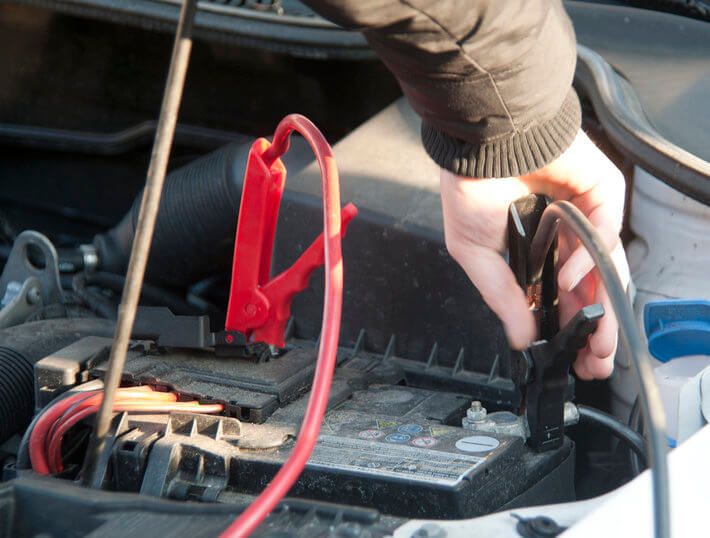
- Confirm tight, corrosion-free terminals; clean and retighten if needed.
- Use a multimeter to see if voltage sits near 12.6V with the engine off.
- Start the car and check for 13.8–14.4V to verify alternator output.
- Look for lights or accessories staying on after shutdown.
Why Car Battery Draining Happens Overnight
Most overnight drops come from parasitic draw or charging problems. Modern cars keep modules alive, but a stuck relay or glove box light can pull current all night. Think of it like leaving a gas burner on low after dinner: heat still flows, and so does current. A weak battery also self-discharges faster in cold weather, which magnifies small electrical leaks.
“If resting voltage is under 12.2V, you’re not just low—you’re shortening the battery’s life every hour it stays there.”
Spotting Parasitic Draw Without Guesswork
Silence under the hood tells you plenty.
Set your multimeter to amps, place it in series on the negative terminal, and let the car go to sleep for 20 to 30 minutes. If you see more than 50 milliamps on most vehicles, start pulling fuses one by one to see which circuit drops the draw. Pulling the right fuse feels like turning off a leaky faucet—flow stops and numbers fall.
Fixes to Stop Car Battery Draining Issues
- Kill hidden lights: Check trunk, glove box, and visor mirrors; replace sticky switches.
- Replace failing relays: Clicking relays that stay warm after shutdown often stick; swap them.
- Reset infotainment or aftermarket gear: Firmware bugs can keep amps flowing; power-cycle or update.
- Service the alternator: If voltage is low while running, test diodes and replace the unit.
- Install a memory saver carefully: When disconnecting the battery, maintain radio presets but avoid shorting terminals.
And if an aftermarket amp is wired like a teenager’s first stereo, tidy the ground and remote turn-on lines. Sloppy installs cause repeat drains.
Maintenance Habits That Keep Voltage Steady
Drive at least 20 minutes once a week to let the alternator recharge the battery. Short trips are like half-baked cookies—never finished. Keep terminals clean with a baking soda paste, and apply dielectric grease after drying. In winter, park indoors or use a smart maintainer to offset cold-related losses. But do you really want to discover a dead battery at 6 a.m.?
Gear Worth Having for Car Battery Draining Troubles
Multimeter: Essential for voltage and draw checks. Smart charger: Keeps infrequently driven cars topped without overcharging. OBD-II scanner: Helps clear faults after electrical work. I keep these in my garage because guessing costs more than the tools.
Next Steps Before You Blame the Battery
Replace the battery only after you confirm charging health and kill any draw. Testing first saves money and gives you a clean slate. If the issue returns, a pro can run a load test and inspect wiring harnesses for chafe points.
Stay curious; electrical gremlins rarely fix themselves.