Average Water Bill by State: What Drives Your Monthly Cost
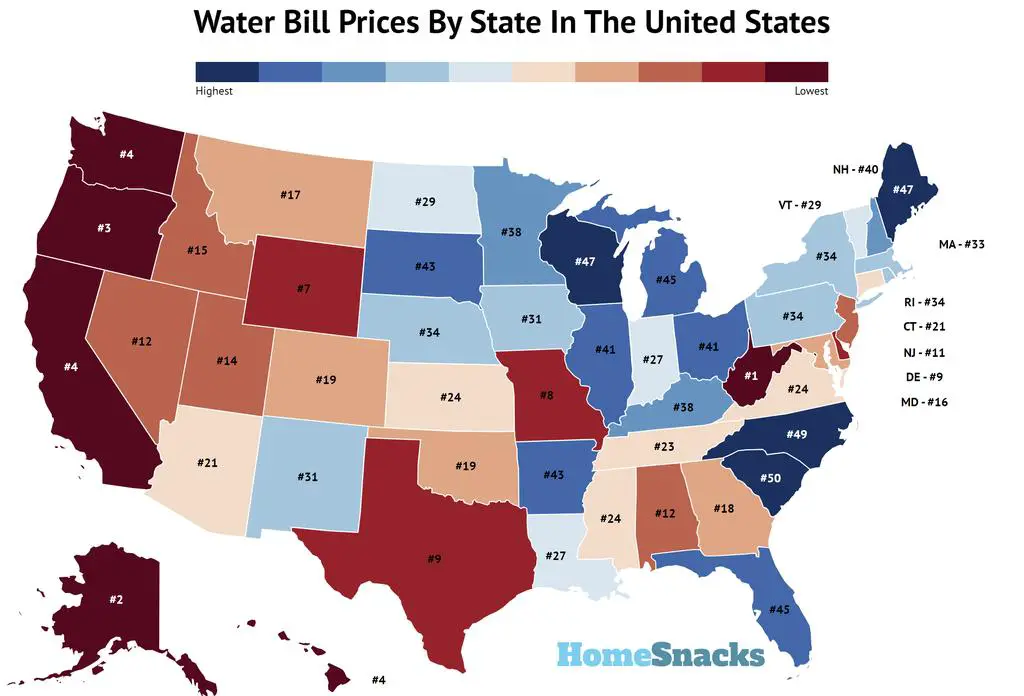
You care about every utility line on your budget, and the average water bill by state shows wild swings that are easy to miss until the statement hits your inbox. Water rates climbed faster than inflation in many regions over the past decade, and conservation rules vary from city to city. If your area charges for wastewater based on metered use, a leaky toilet can turn into a quiet tax. The average water bill by state matters because it shapes where you live, how you landscape, and even which appliances you buy. I have covered infrastructure for years and keep seeing the same pattern: policy, weather, and aging pipes drive your bill more than daily showers.
Quick Figures That Shape Your Bill
- Western states often post higher averages due to scarcity and tiered pricing.
- Wastewater charges can equal or exceed your supply line in older cities.
- Seasonal spikes arrive in summer as irrigation and cooling climb.
- Local fees for stormwater and infrastructure upgrades add stealth costs.
Average Water Bill by State: Why the Gap Exists
Climate, supply, and policy collide. Think of it like baseball park dimensions: every stadium sets its own outfield wall, so hitters adjust their swing. Arid states set higher marginal rates to curb heavy use. Coastal regions may spend more on treatment because salt intrusion or industrial runoff pushes filtration costs up. And smaller utilities lack scale, so overhead spreads across fewer households. One more wrinkle: some cities bill sewer based on winter averages, which punishes leaks that linger past the holidays.
In many metros, the sewer portion quietly outpaces the water line item, so fixing leaks cuts two bills at once.
Why pay attention now? Drought surcharges and infrastructure bonds are rolling into bills over the next two years, and they do not roll back easily.
Average Water Bill by State: How to Benchmark Your Home
- Pull your latest bill and separate supply, sewer, stormwater, and fixed fees.
- Compare monthly gallons to your state average; utilities often publish it on their site.
- Check seasonal swings. If summer doubles winter, your irrigation setup needs a tune.
- Match your rate structure. Tiered pricing means the last 1,000 gallons cost more than the first.
One-sentence check: small leaks sink budgets.
Lowering Your Bill Without Sacrificing Comfort
Look, conservation is not about cold showers. Swap in WaterSense showerheads and faucets; they cut flow without feeling like a drizzle. Replace flapper valves and worn fill valves on toilets, because silent leaks are the budget killer. If you irrigate, smart controllers that adjust to weather can trim outdoor use by 15 to 30 percent. I like pairing soil moisture sensors with drip lines; it is closer to cooking with a thermometer than guessing with a timer. And wash full loads only. Partial loads waste both water and the energy to heat it.
Pro Moves for Different Regions
- Arid states: Capture roof runoff in barrels for plants where allowed, and choose native landscaping.
- Humid regions: Focus on fixing infiltration into sewer laterals to avoid higher wastewater charges.
- Cold climates: Insulate exposed pipes to avoid bursts that send usage—and repair bills—soaring.
Should You Move for a Cheaper Water Bill?
I get this question often. Does a lower average water bill by state justify a relocation? Usually not. Housing, taxes, and wages dwarf the utility delta. But if you are choosing between two suburbs, check their utility pages. A city with modern treatment plants and clear tiered rates often wins. Could a lawn-free lot save you more than a heated driveway costs in winter? That is the real calculus.
Closing Thought
Rates will keep inching up as utilities chase aging pipe replacements, so act now while the easy fixes still move the needle.