Chris Benz Long Island Home: Smart Color and Collected Style
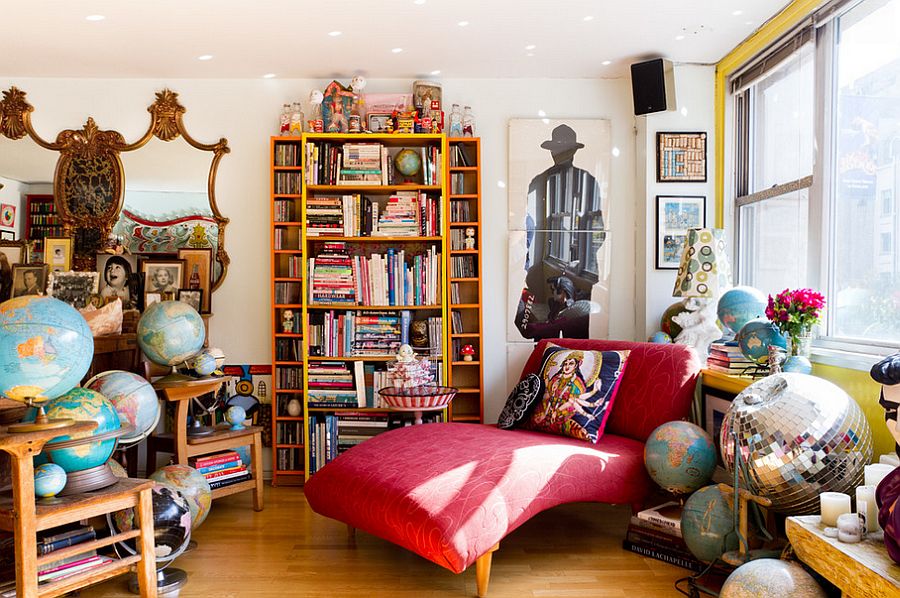
If you are trying to make your home feel more personal without turning it into a mess, the Chris Benz Long Island home offers a useful lesson. It shows how strong color, old and new pieces, and a clear point of view can work together without feeling forced. That matters now because many rooms look polished online but fall flat in real life. They have style, but no pulse.
Chris Benz’s approach feels different. He treats rooms like they should tell a story, and he does not hide the seams. The result is layered, lived-in, and surprisingly disciplined. Want a home that feels edited instead of overdesigned? Start here.
What stands out in the Chris Benz Long Island home
- Color has a job. It sets mood and gives rooms identity.
- Pattern appears with purpose. It breaks up flat surfaces and keeps things from feeling stiff.
- Mixing periods works. Old and new pieces keep the rooms from looking staged.
- Comfort stays visible. The space reads as livable, not showroom-perfect.
Why the Chris Benz Long Island home feels personal
Plenty of homes borrow from design trends. This one feels rooted in personality. Benz does not seem interested in neutral sameness, which is refreshing because beige minimalism can get dull fast. He uses color and collected objects the way a good editor uses detail, only where it earns its place.
That is the trick. If every surface is shouting, nothing gets heard. But if you control the volume, a room can feel confident without becoming noisy.
The best rooms do not look empty or overloaded. They look chosen.
Look, that is why this home lands. It has tension in the right places. A calm wall can sit next to a bolder object. A tailored chair can live beside something more relaxed. The room gets interest from contrast, not clutter.
How to borrow this style without copying it
- Pick one color story per room. You do not need every shade in the same family. You do need a plan. Use one dominant color, one supporting tone, and one accent that gives the room a jolt.
- Mix materials with intent. Try wood with metal, matte with glossy, soft with structured. A room feels richer when surfaces do different jobs.
- Use artwork as an anchor. One strong piece can set the tone for a whole wall. Does every frame need to match? No. That kind of perfection often drains energy from the space.
- Leave some breathing room. Negative space matters. It keeps a room from feeling like a crowded flea market.
Think of it like building a good playlist. If every track is loud, the mix gets tiring. If you vary the tempo, the whole thing holds together better. Rooms work the same way.
What the furniture mix gets right
The furniture balance in the Chris Benz Long Island home is one of its strongest moves. Pieces do not match too closely, which helps the rooms feel collected over time. That matters because matchy furniture can look safe and stale, even when it is expensive.
Instead, the space suggests patience. A vintage chair can sit near a clean-lined sofa. A decorative object can share space with something functional. And the room still works because the pieces share a tone, a palette, or a level of formality.
This is where many people slip. They buy everything at once, from the same store, and call it done. But homes usually improve when they evolve slowly (and yes, that takes restraint).
How to use color without making a room chaotic
Color is the boldest lesson here. Used badly, it can make a room feel busy. Used well, it gives the room a spine. The Chris Benz Long Island home suggests that saturated color is safest when it repeats in small doses across the room.
- Repeat one color in art, textiles, or accessories.
- Balance strong color with a neutral surface.
- Use deep tones in rooms where you want more intimacy.
- Keep bright accents smaller if the room already has strong architecture.
That approach is more practical than chasing a palette from a trend forecast. You are not decorating for a catalog spread. You are building a room you can live in every day.
What this home says about taste now
The bigger lesson here is not about one specific style. It is about confidence. A room with a point of view feels more durable than one that tries to please everyone. That is especially true now, when so much design content encourages fast duplication instead of actual judgment.
Chris Benz’s home shows that taste does not come from restraint alone. It comes from knowing what to keep, what to contrast, and what to leave alone. That is a harder skill, and a better one.
What to try in your own space next
Start with one room. Choose one object, one color, or one material that feels like you, then build around it. Do not ask, “What is trendy?” Ask, “What would still make sense here next year?” That question cuts through a lot of design noise.
And if you are unsure where to begin, look at the room you use most. What needs more life, more contrast, or less visual clutter? Fix that first. The rest gets easier from there.