How to Clean Patio Cushions the Right Way
Your outdoor seating can look tired fast. Pollen, sunscreen, rain, bird droppings, and plain old dust build up before you notice it. If you have been searching for how to clean patio cushions, the good news is that you do not need fancy tools or harsh chemicals for most jobs. You need the right order, a gentle cleaner, and enough drying time to stop mildew from coming back.
That matters now because outdoor fabrics take a beating through the warm months, and neglect gets expensive. A quick cleaning routine can keep cushions looking decent for another season instead of sending you out to buy replacements. And honestly, replacing a full set of outdoor cushions can cost more than most people expect.
Start Here
- Brush off loose dirt before you add any water.
- Use mild soap and warm water for routine patio cushion cleaning.
- Treat mildew and deep stains separately instead of scrubbing everything harder.
- Let cushions dry fully in the sun and open air.
How to Clean Patio Cushions Step by Step
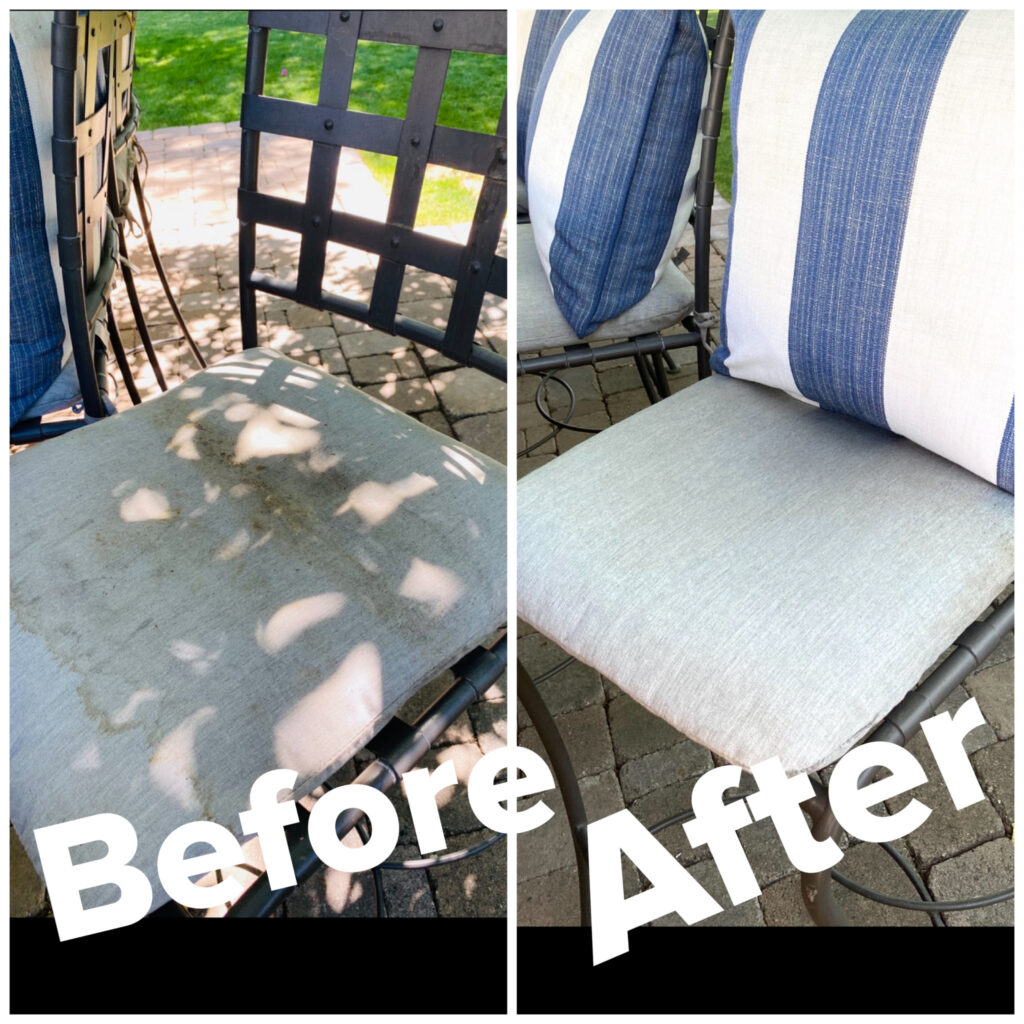
The smartest approach is simple. Dry debris first, wash second, rinse well, then dry completely. Think of it like painting a wall. Skip the prep, and the finish looks worse.
- Shake and brush off debris. Remove leaves, dirt, crumbs, and pet hair with your hands, a soft brush, or a vacuum with an upholstery attachment.
- Check the care tag. Some outdoor cushion covers are machine washable. Others need spot cleaning only.
- Mix a basic cleaning solution. Use warm water with a small amount of dish soap or gentle laundry detergent.
- Scrub with a soft brush or sponge. Work on one section at a time. Focus on seams and corners where grime collects.
- Rinse thoroughly. Leftover soap attracts dirt, so do not rush this part.
- Stand cushions upright to dry. Place them in a sunny, breezy spot so water drains instead of pooling inside.
That drying step is non-negotiable.
Best Patio Cushion Cleaning Methods for Common Problems
For everyday dirt and dull fabric
A mild soap solution usually does the job. Most outdoor cushion cleaning problems are surface level, especially if you clean once or twice during the season. Use a soft-bristle brush, not a stiff deck brush, unless you want the fabric to age faster.
For mildew and musty smells
Mildew is a different beast. You need to kill the growth and remove the smell, not just rinse the surface. A mix of water and white vinegar can help with light mildew on many fabrics, though you should always test a hidden area first. For heavier growth, many homeowners use a fabric-safe mildew remover made for outdoor textiles.
Here is the part people get wrong. If the cushion filling stays damp, mildew often returns even after the fabric looks clean.
For food, grease, or sunscreen stains
Spot treat first. A small amount of dish soap works well on oily marks because it is built to cut grease. Blot and lift the stain instead of grinding it in with hard circular scrubbing.
For removable cushion covers
If the cover zips off, you have an easier job. But read the label before tossing it in the washer. Cold water and a gentle cycle are often safer than a hot wash, and air drying is usually the better bet for shape and color retention.
What You Need for Patio Cushion Cleaning
You probably already own most of it. That is the nice part.
- Soft brush or sponge
- Vacuum with upholstery attachment
- Bucket of warm water
- Mild dish soap or gentle detergent
- White vinegar for light mildew issues
- Garden hose for rinsing
- Dry towels for blotting excess water
Look, stronger is not always better. Bleach can damage color and fabric strength on some cushions, and pressure washers can force water deep into the filling. That is how a simple cleaning turns into a soggy mess.
How Often Should You Clean Patio Cushions?
For most homes, a light cleaning every few weeks during peak outdoor season is enough. A deeper wash at the start and end of the season makes sense too. If you live in a humid area, under trees, or near heavy pollen, you may need to clean more often.
Ask yourself a basic question. Are you cleaning visible dirt, or are you preventing fabric breakdown? Those are different jobs, and prevention is cheaper.
Patio Cushion Cleaning Tips That Save Time
- Brush cushions weekly. Dry dirt is easier to remove than mud.
- Store cushions during storms. Less soaking means less mildew risk.
- Use covers or a deck box. This cuts fading and grime between uses.
- Rotate cushions. Sun exposure is uneven, and so is wear.
- Clean spills fast. Outdoor fabric is forgiving, but only for so long.
One pro tip from years of watching home care advice get overcomplicated. Clean on a dry, warm day when you have several hours of sun ahead. That single choice makes the whole job easier.
When Patio Cushions Are Too Far Gone
Some cushions do not need cleaning. They need replacing. If the foam smells sour after full drying, the fabric is splitting, or mildew keeps returning from deep inside the insert, further scrubbing is mostly wishful thinking.
And that is fine. Outdoor materials have a limit, especially after repeated rain exposure and strong sun. At that point, your best move may be new inserts, new covers, or a full replacement set depending on cost (and how much the frame is still worth).
Keep Them Clean Longer
If you now know how to clean patio cushions, the next move is maintenance, not heroics. A fast brush-off, quick spill cleanup, and proper drying routine will do more than one huge scrub session at the end of summer. The people who spend the least on replacement cushions are usually the ones who stay a step ahead of dirt.
So before the next cookout or rainy week, give your cushions a 10-minute check. Small upkeep beats deep stain removal every time.