How to Get Rid of Weeds Without Wrecking Your Yard
Weeds spread fast, steal water and nutrients, and make even a well-kept yard look neglected. If you are trying to figure out how to get rid of weeds, timing and method matter more than brute force. Pull too late, mow too short, or spray the wrong product, and the problem often gets worse. That is why a smart plan pays off now, especially in spring and summer when weed growth kicks into high gear. The good news is that you do not need a scorched-earth approach. You need the right fix for the right spot, whether that means hand-pulling, mulching, spot-treating, or changing how you care for your lawn. Think of weed control like patching a leaky roof. If you only wipe up the water, the damage keeps coming back.
What works fastest
- Pull young weeds early, before they flower or set seed.
- Use mulch in beds to block light and slow new growth.
- Keep grass thick with proper mowing and watering so weeds have less room.
- Choose herbicides carefully, and only for the weeds and area you need to treat.
How to get rid of weeds in each part of your yard
Not all weeds need the same fix. A dandelion in turf, crabgrass in a thin lawn, and weeds in a driveway crack are three different jobs.
How to get rid of weeds in lawns
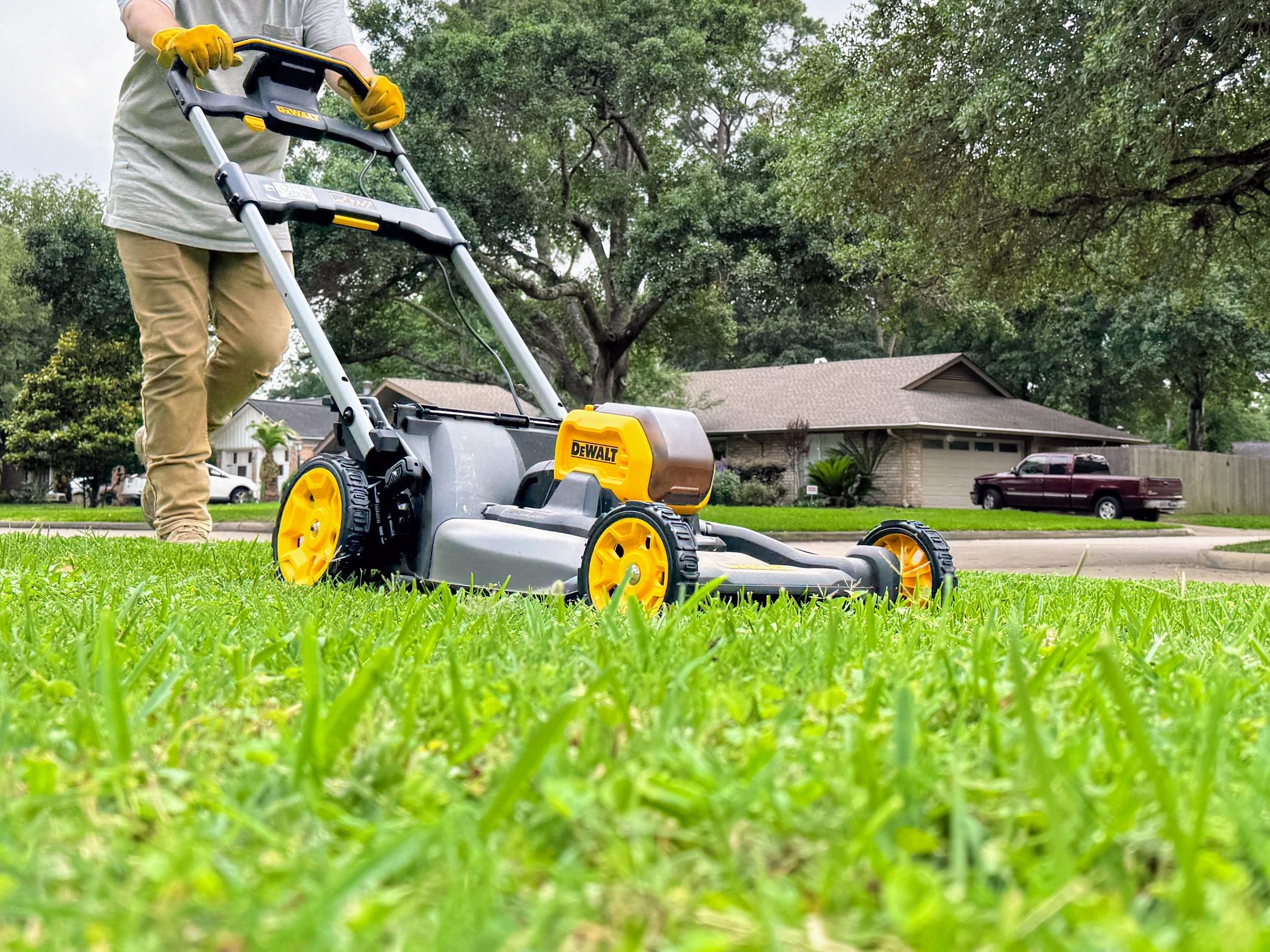
Start with the lawn itself. Thick turf is one of the best weed defenses because it shades the soil and crowds out invaders. Mow high enough for your grass type, water deeply instead of lightly every day, and feed the lawn based on season and soil needs.
For broadleaf weeds like clover and dandelion, hand-pulling works well when the soil is moist. Get the root. If you leave part behind, many weeds return.
Selective lawn herbicides can help when weeds spread beyond a few patches. These products target certain weeds while leaving grass mostly unharmed, but label directions are non-negotiable. Bob Vila’s guide stresses identifying the weed first, which is solid advice because the wrong treatment wastes time and money.
How to get rid of weeds in garden beds
Garden beds reward prevention more than rescue. A two- to three-inch layer of mulch helps stop weed seeds from getting sunlight, and that simple move cuts a huge amount of hand work later. Organic mulches like bark, shredded leaves, or straw also improve soil as they break down.
Hand-pull weeds before they get established, especially after rain. It is easier, and you are less likely to snap the stem and leave roots behind.
Here is the blunt truth. If weeds in a bed have already gone to seed, pulling them is only part of the job. You also need to stop the next wave.
Landscape fabric can help in some spots, though I would not call it a cure-all. In ornamental beds it may slow weeds, but over time soil collects on top and fresh weeds germinate there anyway.
How to get rid of weeds in cracks, paths, and patios
These weeds are often the easiest to see and the most annoying to ignore. Pulling works for scattered growth, but for stubborn weeds in pavers or sidewalk seams, you may need repeated treatment.
Boiling water is a common home remedy for isolated weeds in hardscape areas. It can damage nearby plants, so keep it away from borders and roots. Some people use non-selective herbicides in these spots, but that approach needs care because overspray can hit anything green nearby.
Small spaces, big headache.
How to get rid of weeds before they start
Prevention is less dramatic than ripping out a jungle, but it is far more effective. Why fight mature weeds all summer if you can block many of them in the first place?
- Apply pre-emergent products at the right time. These work by stopping certain weed seeds from developing after germination. They are often used for annual weeds like crabgrass in lawns.
- Do not scalp your grass. Short mowing weakens turf and gives weed seeds more light.
- Mulch exposed soil. Bare ground is an open invitation.
- Water wisely. Deep, less frequent watering helps roots grow stronger than shallow daily watering.
- Pull weeds before they seed. One neglected patch can become next season’s mess.
And yes, timing is everything. Pre-emergent control only works before weeds emerge, so watch local soil temperatures and your regional growing season.
Natural methods versus herbicides
Readers often want a simple winner here. There is not one. The better question is which tool fits the weed, the location, and your tolerance for repeat work.
Natural methods like hand-pulling, mulching, and smothering are safer around edible gardens and are usually the first things I would try. Vinegar-based products can burn back top growth, but many do not kill deep roots, especially on perennial weeds. That means repeat applications, sometimes a lot of them.
Herbicides can be useful for severe infestations or hard-to-clear weeds, especially in lawns where selective products are designed for turf. But they are not magic. If your lawn is thin, compacted, or poorly maintained, weeds often return because the opening is still there.
Honestly, this is where people get tripped up. They treat the symptom and ignore the soil, mowing, drainage, or shade problem that invited weeds in the first place.
Common weed-control mistakes that waste your time
- Pulling dry weeds from hard soil. You leave roots behind and they rebound.
- Using the wrong herbicide. A product for broadleaf weeds will not solve every grassy weed problem.
- Mowing too low. This weakens turf and helps weeds spread.
- Letting weeds flower. That turns one plant into many.
- Ignoring edges and cracks. These spots often seed the rest of the yard.
Look, weed control is rarely a one-week project. It is more like staying on top of dirty dishes. Skip it for too long and the pile gets ugly fast.
How to build a simple weed-control routine
You do not need a complicated schedule. You need a repeatable one.
A practical weekly and seasonal plan
- Weekly: Walk the yard for 10 minutes and pull new weeds while they are small.
- Monthly: Check mulch depth in beds and top up thin spots.
- Seasonally: Feed and mow your lawn based on the grass type you actually have, not what your neighbor grows.
- Early season: Use pre-emergent control where it makes sense for recurring annual weeds.
This routine works because it deals with weeds while they are still weak. (That is the whole game, really.) Once roots deepen and seeds spread, every fix gets harder.
What I would do first
If your yard is overrun, resist the urge to attack everything at once. Start by identifying the top two or three weed problems by location, then match the method to each one. Pull and mulch beds. Strengthen the lawn. Spot-treat hardscape cracks if needed.
That approach is less flashy than blasting the whole yard with one product, but it is usually the smarter play. And if you stick with it for one full growing season, you will likely spend a lot less time asking how to get rid of weeds next year.