Metal Roof Styles: Choose the Right Profile
Metal roof styles shape more than curb appeal. They affect drainage, snow shedding, wind resistance, and how easy the roof is to live with for decades. Pick a profile that fits the house, and the exterior looks cleaner and more intentional. Pick the wrong one, and the roof can feel loud, awkward, or expensive in all the wrong places. That matters whether you are replacing old shingles or trying to give a plain roofline some character. And the choice is not just about looks. Panel shape can change how water moves, how flashing gets detailed, and how much upkeep you sign up for later.
What to know first
- Standing seam gives a clean line and strong water shedding.
- Corrugated panels fit simple roofs and tighter budgets.
- Metal shingles work well when you want a traditional look.
- Stone-coated steel adds texture and softens the look of metal.
That choice matters more than most homeowners expect.
If you can see the roof from the street, treat the profile like part of the architecture, not just a weather skin. The shape changes the whole read of the house.
Popular metal roof styles and where they fit
Standing seam
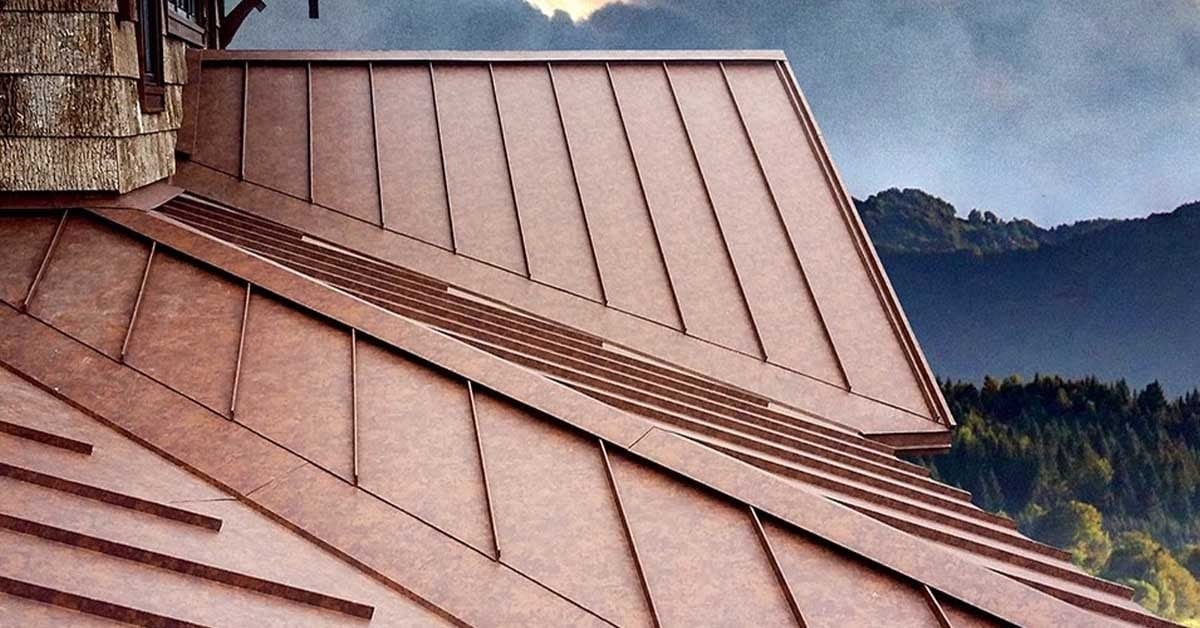
Standing seam is the cleanest read. Its raised vertical seams hide fasteners, so the roof looks composed and the weather line stays tight. It suits modern homes, cabins, and any house that benefits from long, uninterrupted lines. It is also a strong choice when you want a crisp edge without a lot of visual noise.
Corrugated and ribbed panels
Corrugated and ribbed panels are the workhorses. They are easy to recognize, usually cheaper, and they fit garages, sheds, barns, and some simple homes. The tradeoff is exposure. Fasteners sit on the face of the panel, so installation quality matters and routine checks matter too. On the right house, though, that plain utilitarian look can feel exactly right.
Metal shingles
Metal shingles are for people who want metal performance without a clearly industrial look. They can mimic slate, shake, or clay tile, which makes them useful in neighborhoods where a modern panel would feel too sharp. They are a good option when you want the roof to blend in first and stand out second. That is a useful balance for older homes and historic streets.
Stone-coated steel
Stone-coated steel brings more texture. The finish softens reflections and gives the roof a heavier, more dimensional look. It can be a smart middle ground if you like the idea of metal but want a surface that reads closer to traditional roofing. In practical terms, it gives you a more familiar silhouette without giving up the durability people expect from metal.
Materials such as steel, aluminum, and copper can appear in several of these profiles, but the profile does the first visual work. Color matters, but shape usually wins when someone sees the roof from the curb.
How to compare metal roof styles before you buy
Choosing among metal roof styles is a lot like buying boots. You want the right fit for the ground you walk on, not the flashiest pair on the shelf. Start with the roof you have, then work outward from there.
- Check the roof shape and slope. Simple roofs handle panel styles more easily. Complex roofs with valleys, dormers, and lots of edges need more careful detailing.
- Match the house style. Modern homes can take standing seam with ease. Traditional, cottage, and craftsman homes often look better with shingles or stone-coated steel.
- Think about weather. Snow and heavy rain reward profiles that shed water cleanly. Hail and wind can push you toward thicker systems and better fastening.
- Look at upkeep. Exposed-fastener systems usually need more attention over time. Concealed-fastener systems reduce that burden.
- Compare installed cost, not just material cost. Labor, flashing, roof complexity, and trim details often matter as much as the panels themselves.
If you are torn between two options, look at the side of the house that gets the most public view. That is where your choice will live every day.
What metal roof styles cost you over time
The cheapest roof on paper can become the priciest one after repairs. Exposed-fastener panels often lower the entry cost, but the hardware deserves periodic checking. Standing seam usually costs more up front because the system is more complex, yet the cleaner fastening method can pay back some of that with less maintenance. Metal shingles and stone-coated steel often sit in the middle or higher range, mostly because the install takes more time.
That is why budget alone is a weak filter. A roof is part structure, part shield, part front-facing design element. If you only compare the invoice, you miss the part that lives on your house for decades.
What to choose now
If your house wants a clean edge and you want the least fussy long-term option, standing seam is hard to beat. If the budget is tighter and the roof geometry is simple, corrugated panels can make sense. If the home needs a familiar silhouette, metal shingles or stone-coated steel are worth a close look. The smartest choice is the one that suits the building, the climate, and the amount of upkeep you are willing to own.
Which roof style do you want looking at your driveway every day?