Milan Real Estate Market: Why Design Week Draws Global Buyers
The Milan real estate market gets a lot of attention during Design Week, and for good reason. The city stops feeling local and starts feeling global. Buyers, investors, and design-minded visitors all look at the same neighborhoods, but they do not see the same thing. Some want a primary home. Some want a pied-à-terre. Some want a trophy address that signals taste as much as square footage. That mix changes how the market feels, how fast good listings move, and what kind of value buyers think they are getting. If you are trying to read Milan with a clear eye, Design Week is one of the best times to watch. Prices, demand, and aspiration all show up in the open. And that matters now because the city’s reputation keeps expanding beyond Italy.
Why the Milan real estate market gets louder during Design Week
Design Week turns Milan into a showroom. International visitors arrive for Salone del Mobile and the city’s satellite events, but many of them also spend time in Brera, Porta Venezia, the historic center, and emerging pockets where older buildings get a fresh look. That is where the market gets interesting. The event does more than fill hotels. It changes the way buyers compare neighborhoods, finishes, and building character.
- Visibility rises: buyers who came for design often start thinking about property.
- Demand gets more international: the buyer pool expands beyond Italy.
- Style matters more: renovation quality and architectural detail get extra weight.
- Timing tightens: well-presented homes can attract attention fast.
Look at it like a flagship store opening on a busy street. The product did not change overnight. The audience did.
What buyers notice first in the Milan real estate market
Global buyers rarely start with spreadsheets. They start with feeling. Then they justify it. That is especially true in Milan, where a refined apartment in a period building can matter more than raw size. Buyers tend to notice three things first: location, light, and layout. A home that handles all three cleanly will usually travel better across borders because it is easier to understand at a glance.
Location is still the anchor
Central Milan keeps its appeal because it solves daily life and status at the same time. Walkability, transit access, and nearby culture all help. But the winning formula is not only centrality. It is the balance between convenience and identity. A buyer may want the energy of Brera, the elegance of the Quadrilatero area, or the calmer residential feel of a district that still carries design credibility.
Layout and light do real work
International buyers often want open living spaces, usable terraces, and natural light. That preference is not decorative. It changes how a flat functions across seasons and how easily it can serve as a second home or rental asset. A classic Milan apartment with a closed plan can still win, but it needs strong proportions and a renovation that respects the original shell.
“In Milan, design is not just decoration. It is a market signal. Buyers read the finish, the plan, and the address as one story.”
One sentence matters here.
How Design Week changes pricing expectations
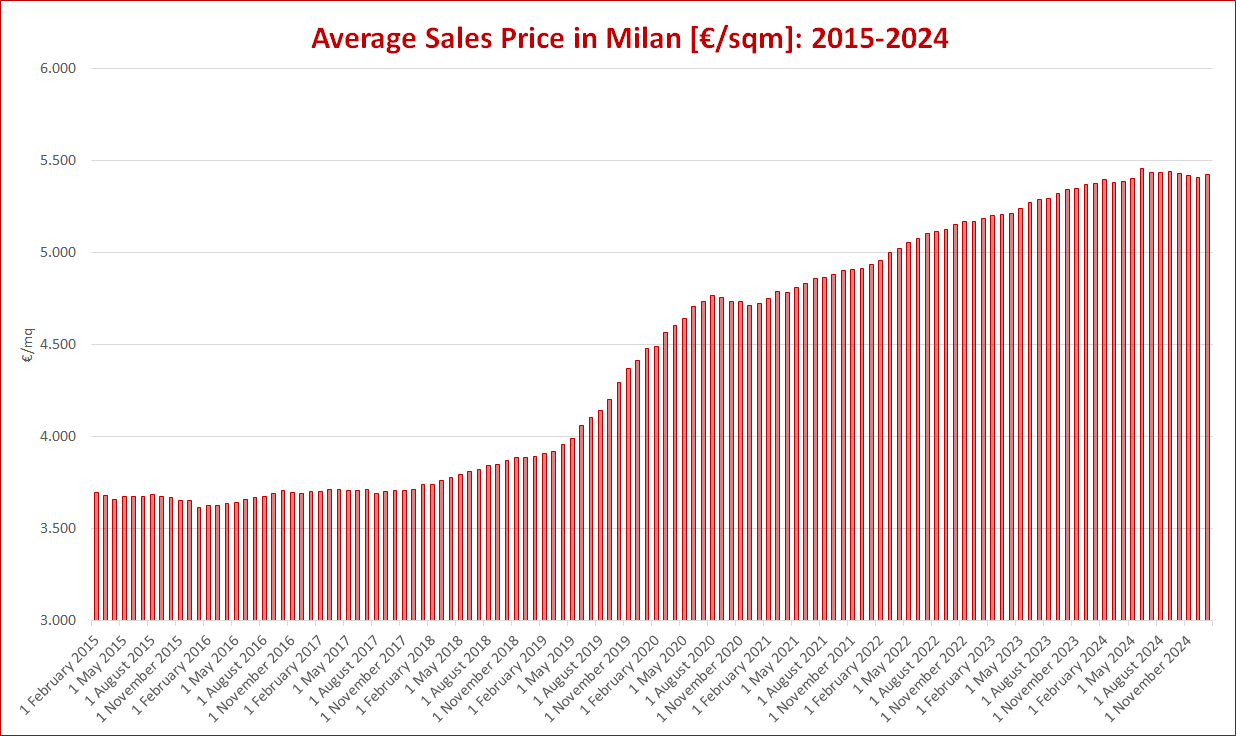
Design Week does not rewrite the market in a week, but it can sharpen expectations. Sellers see more eyes on their property. Buyers see more homes styled to impress. That can create a gap between asking prices and real value. The smart move is to separate event energy from long-term fundamentals.
If you are buying, ask whether a home would still feel compelling in November, not just in April. If you are selling, make sure the property reads well without a temporary staging boost. A polished apartment with strong bones has staying power. A flashy one with awkward proportions usually does not.
- Check the building: period details, lifts, common areas, and maintenance history matter.
- Check the plan: circulation, storage, and room size affect daily use.
- Check the renovation: good materials age better than trend-driven finishes.
- Check the market fit: compare like for like, not headline listings.
Who is buying in Milan right now?
The buyer profile is broad, but the motivation often comes back to the same themes. Some want a European base with cultural weight. Some want a property that feels stable and usable. Others want a city home tied to fashion, finance, or design networks. Milan has a rare advantage here. It feels polished without being frozen.
That is part of the appeal for global buyers. The city does not sell itself as a fantasy. It sells itself as a working place with style, which is a more durable pitch.
Milan real estate market: how to read the signals like a local
To read the Milan real estate market well, ignore the theater for a moment. Focus on what repeats. Strong neighborhoods keep attracting attention. Good renovations stay in demand. Buildings with character and modern comfort still lead the conversation. And homes that solve practical problems, such as storage, natural light, and flexible rooms, usually age better than statement pieces with weak planning.
Ask yourself a simple question. Would this home still matter if Design Week were not on the calendar?
If the answer is yes, you are probably looking at real value, not just seasonal buzz.
What smart buyers should do next
Start with the neighborhood, then move to the building, then the unit itself. That order keeps you from getting distracted by a glossy renovation that hides weak fundamentals. Talk to local agents who know both domestic and international demand. Review comparable sales, not just listings. And if you are buying during a high-traffic period like Design Week, give yourself time to step outside the event atmosphere and think clearly.
For sellers, the play is just as simple. Present the home honestly, price it against the right competitors, and make sure the styling supports the architecture instead of fighting it. Milan rewards taste, but it rewards discipline more.