Smart Meter Impact on Your Electricity Bill
You open your power bill, see a new charge or a different usage pattern, and wonder if the smart meter on your house changed the math. That question matters because a smart meter impact on your electricity bill can be real, but usually not for the reason people think. In most cases, the meter does not make you use more electricity. It measures usage more precisely and sends data to your utility more often, which can expose waste, billing errors, or expensive habits you never noticed before. And if your utility uses time-of-use rates, the timing of your energy use can matter almost as much as the amount. So what should you actually watch for, and what is just noise? Here is the practical answer.
What to watch first
- Smart meters usually do not raise usage. They record it more accurately and more often.
- Your bill can change if your utility uses time-of-use pricing. Peak-hour power costs more.
- Estimated bills may disappear. That can reveal your real usage pattern, for better or worse.
- The meter data can help you cut waste. Big appliances and HVAC systems are often the first place to check.
What is a smart meter impact on your electricity bill?
A smart meter is a digital electric meter that automatically sends usage data to your utility. Old analog meters usually required manual readings. That difference sounds small, but it changes billing in a few ways.
First, you may get fewer estimated bills. If your utility used to estimate your usage during missed readings, your old bills may have been off. A smart meter tightens that up. Sometimes the result is a lower bill. Sometimes it is a rude surprise.
Second, the utility can track when you use electricity, not just how much. That matters if your rate plan charges more during high-demand hours. Think of it like airline pricing. The seat is the same, but the time you book changes the cost.
Family Handyman notes that smart meters do not inherently increase electric use, but they can change how accurately usage is measured and billed.
Can a smart meter make your bill go up?
Yes, but usually through billing structure, not because the device is “using” more power in any meaningful way. A smart meter itself uses a tiny amount of electricity, and that is not what drives a major bill jump.
The bigger reasons are more plain:
- Your old meter may have underreported usage.
- Your utility may have stopped estimating and started billing actual consumption.
- You may now be on a time-of-use rate plan.
- Your household usage may have changed at the same time, which people often miss.
That last point gets ignored. Seasonal HVAC use, space heaters, old refrigerators, and EV charging can push a bill up fast. Was it really the meter, or did your home finally get measured with a sharper ruler?
How smart meter data helps you lower electricity costs
This is where smart meters earn their keep. If your utility gives you access to hourly or daily usage data, you can spot patterns that monthly bills hide. Look for spikes first. Then match those spikes to what was happening in your home.
Start with the heavy hitters. Central air conditioning, electric water heaters, clothes dryers, ovens, and EV chargers often drive the biggest swings. Pool pumps can be another culprit. So can old basement freezers that run like they are training for a marathon.
One smart move is to shift flexible tasks out of peak hours if your utility uses time-of-use pricing. Run the dishwasher later. Do laundry earlier or later. Charge devices overnight. Small changes add up.
One habit can change your bill fast.
Practical steps to use smart meter readings well
- Check your utility portal for hourly or daily usage graphs.
- Compare high-usage days with weather changes, especially heat waves and cold snaps.
- Test one appliance at a time. Change its schedule for a week and watch the results.
- Review your rate plan. The cheapest plan for one household may be a bad fit for another.
- Watch for overnight baseload use, which can point to always-on devices or aging equipment.
Smart meter impact on your electricity bill under time-of-use rates
If your utility has time-of-use pricing, this is the section that matters most. Under these plans, electricity costs more during peak demand periods, often late afternoon or early evening. That means your habits have a price tag attached to the clock.
Look, this can feel annoying at first. But it can also give you control. If you can shift even part of your use, the savings may be real.
Here is a simple example. Say you run your dryer, dishwasher, and EV charger during a peak window. Under a flat rate, the timing may not matter. Under time-of-use pricing, that same routine can cost notably more. Move two of those tasks outside the peak period, and the monthly total may drop without cutting total usage.
It is a lot like traffic flow in a city. Leave at rush hour and you pay in time. Use power at rush hour and you may pay in money.
What to do if your smart meter bill seems wrong
Do not assume. Check.
Start by comparing your current bill with the same month last year, not the prior month. Weather and daylight hours can distort month-to-month comparisons. Then review your kilowatt-hour usage, rate plan, and any added fees.
If the jump still looks off, take these steps:
- Ask the utility for a bill explanation and your recent usage history.
- Check whether your account moved to a new rate structure.
- Review whether estimated bills were replaced with actual readings.
- Inspect your home for obvious usage changes, including HVAC issues and old appliances.
- Request a meter test if the numbers still do not make sense.
A meter problem is possible, but not the first bet I would make. In years of covering home energy issues, the usual story is less dramatic. A changed billing method, a new schedule, or a hidden energy hog tends to be the real villain.
Are smart meters worth it for homeowners?
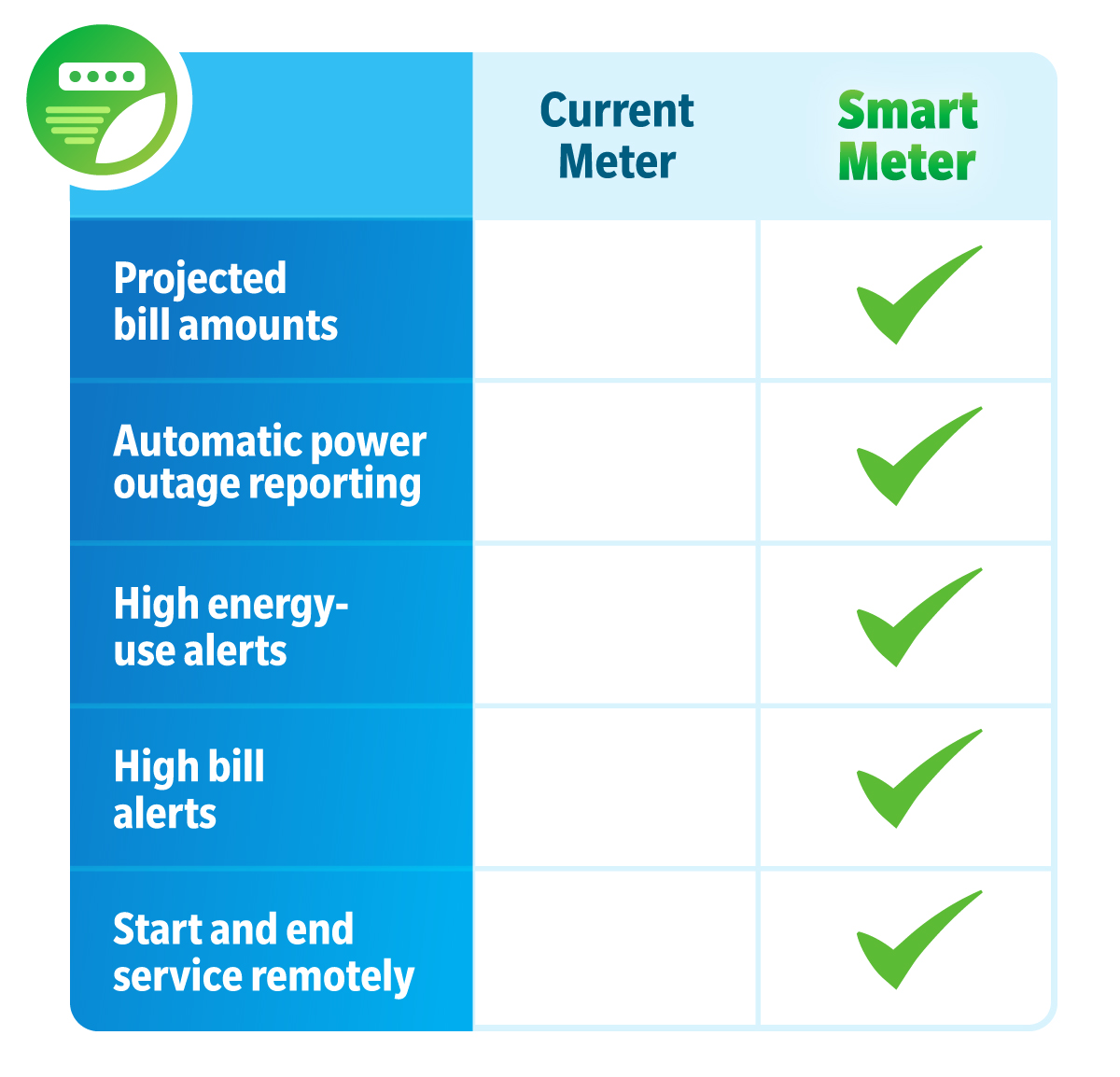
For most people, yes, mainly because better data beats guesswork. Smart meters can support faster outage reporting, more accurate bills, and clearer insight into home energy use. Those are solid benefits, even if the savings are not automatic.
Honestly, the meter is only half the story. The real value comes when you use the information. If you never check the data, never review your rate plan, and never adjust large loads, the smart meter is just a more modern billing tool.
But if you pay attention, it can help you make sharper decisions. And in a house full of electric loads, sharper decisions are often the difference between a manageable bill and one that stings.
Your next move
If you have a new smart meter, log into your utility account this week and study one thing: when your home uses the most power. Then match those spikes to real behavior in your house. That one step will tell you more than another month of guessing ever will. And if your utility is pushing time-of-use pricing, the real question is not whether the meter changed your bill. It is whether your routine needs to change with it.