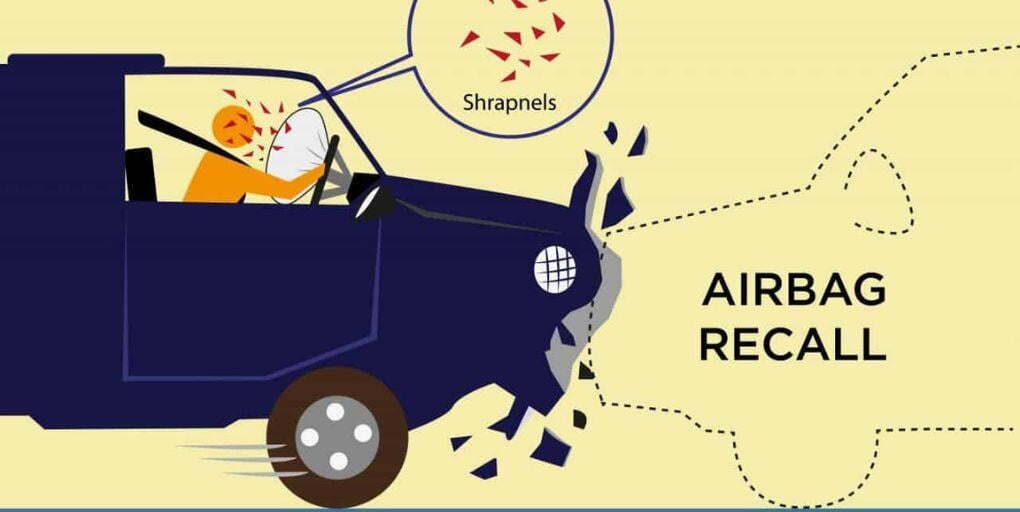
Takata Air Bag Recall: What Drivers Need to Check Now
You may think your car is fine because it still runs well, but the Takata air bag recall is one of those problems that can sit hidden for years. That matters now because millions of vehicles are still on the road with inflators that can rupture and send metal fragments into the cabin. If your car is on the list, this is not a repair you can postpone.
The hard part is that many owners do not realize their vehicle is affected. Some cars have changed hands, some recall letters never reached the right mailbox, and some repairs were done on one air bag but not another. So the job is simple, but non-negotiable: check your vehicle, confirm the recall status, and get it fixed if needed. How do you do that without getting lost in dealer jargon or guesswork?
What the Takata air bag recall means
The Takata air bag recall stems from defective air bag inflators made by Takata, a supplier that provided parts to many automakers. Over time, heat and humidity can degrade the inflator, which can make it rupture during deployment. The National Highway Traffic Safety Administration, or NHTSA, has said these inflators can send sharp metal pieces into the cabin and cause serious injury or death.
This is why the recall has been so large and so persistent. It spans many brands, model years, and vehicle types. Think of it like a hidden fault in a building support beam. The car can look normal from the outside, but the weak point is inside the structure.
How to check if your car is affected by the Takata air bag recall
Start with your VIN, which is your vehicle identification number. You can find it on the driver-side dashboard near the windshield, on your registration, or on your insurance documents. Then use the NHTSA recall lookup tool or your automaker’s recall page.
- Find your VIN.
- Enter it into the NHTSA recall search tool.
- Check for open safety recalls.
- Confirm whether the recall repair is complete.
- Contact a dealer if the recall is still open.
If you bought your car used, do not assume the previous owner handled it. Used-car paperwork often misses recall history. And if your car had more than one air bag replaced over the years, check each recall record carefully.
“A repaired car is not the same thing as a fully cleared car. You want proof that the recall tied to your VIN is actually closed.”
Why the Takata air bag recall still matters
Some drivers hear about a recall and assume the danger has passed. That is a bad read. A recall stays relevant until the defective part is replaced and the repair is recorded against the vehicle identification number.
Weather plays a role too. Hot, humid regions have seen higher risk with these inflators, but no driver should treat location as a free pass. Vehicle age, storage, and repair history all matter. The safest move is to check, not speculate.
And yes, this is one of those cases where procrastination is expensive. Not in dollars, necessarily. In risk.
What to do if your car is on the list
Call your dealer or the automaker’s recall line and ask for the next available air bag replacement appointment. The repair should be free. If parts are not available right away, ask for a documented timeline and whether the manufacturer offers interim guidance.
- Keep your VIN handy.
- Ask for the recall reference number.
- Request written confirmation of the appointment or repair status.
- Do not ignore follow-up notices.
If the vehicle is unsafe to drive, tell the dealer that clearly. Some automakers and dealers can help arrange towing or alternate transportation depending on the recall campaign and local policy. It varies, but asking costs nothing.
What if you already received a recall fix?
Check the paperwork. Make sure the repair was tied to the same recall campaign and the same VIN. If you are missing records, contact the dealer that performed the work or use the manufacturer’s recall portal to verify completion.
Also look for other open recalls while you are there. A car can have more than one unresolved issue. Air bags, seat belts, brakes, and fuel system recalls often travel in separate tracks. One fix does not clear the rest.
The smartest next step
Do the VIN check today, not after your next oil change, not after the next road trip. That one small step tells you whether you need to act now or whether your car is already cleared. If it is open, schedule the repair and keep the confirmation.
Because if a recall this serious is still hanging over your vehicle, why leave that question unanswered for one more day?