Turtlebox Ranger Review: Is This Outdoor Speaker Worth It?
You want an outdoor speaker that can take abuse, play loud, and keep working when the weather turns bad. That sounds simple, but most portable speakers force a trade-off. Some sound good but feel fragile. Others survive the campsite but come up short on power. This Turtlebox Ranger review matters because the market is full of speakers that promise outdoor toughness and then fade fast once real use starts. If you are buying for a patio, garage, tailgate, boat day, or jobsite, you need more than glossy specs. You need to know how this thing actually fits into daily life, what corners it cuts, and whether the price makes sense. That is where the Ranger gets interesting. It aims for a sweet spot between portability and full-size outdoor output, and that target is harder to hit than brands admit.
What stands out
- The Turtlebox Ranger is built for outdoor use first, with durability and volume taking priority over slim design.
- Its size looks more manageable than larger party speakers, which makes it easier to move from deck to truck to campsite.
- This is not the cheapest Bluetooth option, so value depends on how often you actually need rugged performance.
- The best buyer is someone who needs reliable sound in messy, wet, or loud places, not someone shopping for background music in a quiet room.
Who is the Turtlebox Ranger really for?
Here is the first question you should ask. Do you need a speaker for normal indoor listening, or do you need one that can deal with dirt, water, and distance?
The Ranger makes more sense for the second group. Think backyard projects, fishing trips, pool days, camping weekends, and garage work. In those settings, a standard Bluetooth speaker can feel like bringing a glass bowl to a pickup basketball game. It might work, but one hard hit changes the story.
And that is the point.
Family Handyman framed the Ranger as a practical outdoor speaker, and that lines up with what matters most here. The appeal is not fancy smart features. It is the promise of durable, portable sound that holds up beyond the kitchen counter.
Turtlebox Ranger review: sound quality and volume
Outdoor speakers live or die on projection. A speaker can sound balanced in a bedroom and still disappear once wind, distance, and open space enter the picture. That is why volume matters more outdoors than some audio purists like to admit.
The Ranger appears aimed at that reality. It is built to throw sound into bigger, noisier spaces where people are moving around, not sitting in a fixed listening position. If your use case is a patio hang, a tailgate, or a work area with tools running, that approach makes sense.
What you should expect from the sound:
- Strong output that stays useful outdoors.
- A tuning profile that likely favors punch and clarity over delicate detail.
- Better real-world performance in open air than many smaller portable speakers.
Look, there is always a trade-off. Speakers tuned for rugged outdoor use are rarely the last word in nuance. But that is not a flaw if the mission is clear. A camp speaker that can cut through ambient noise is doing its job.
For outdoor audio, usable volume is not a bonus feature. It is the baseline.
Turtlebox Ranger review: durability, battery life, and portability
This is where products like the Ranger either justify the price or fall apart. Literally, sometimes.
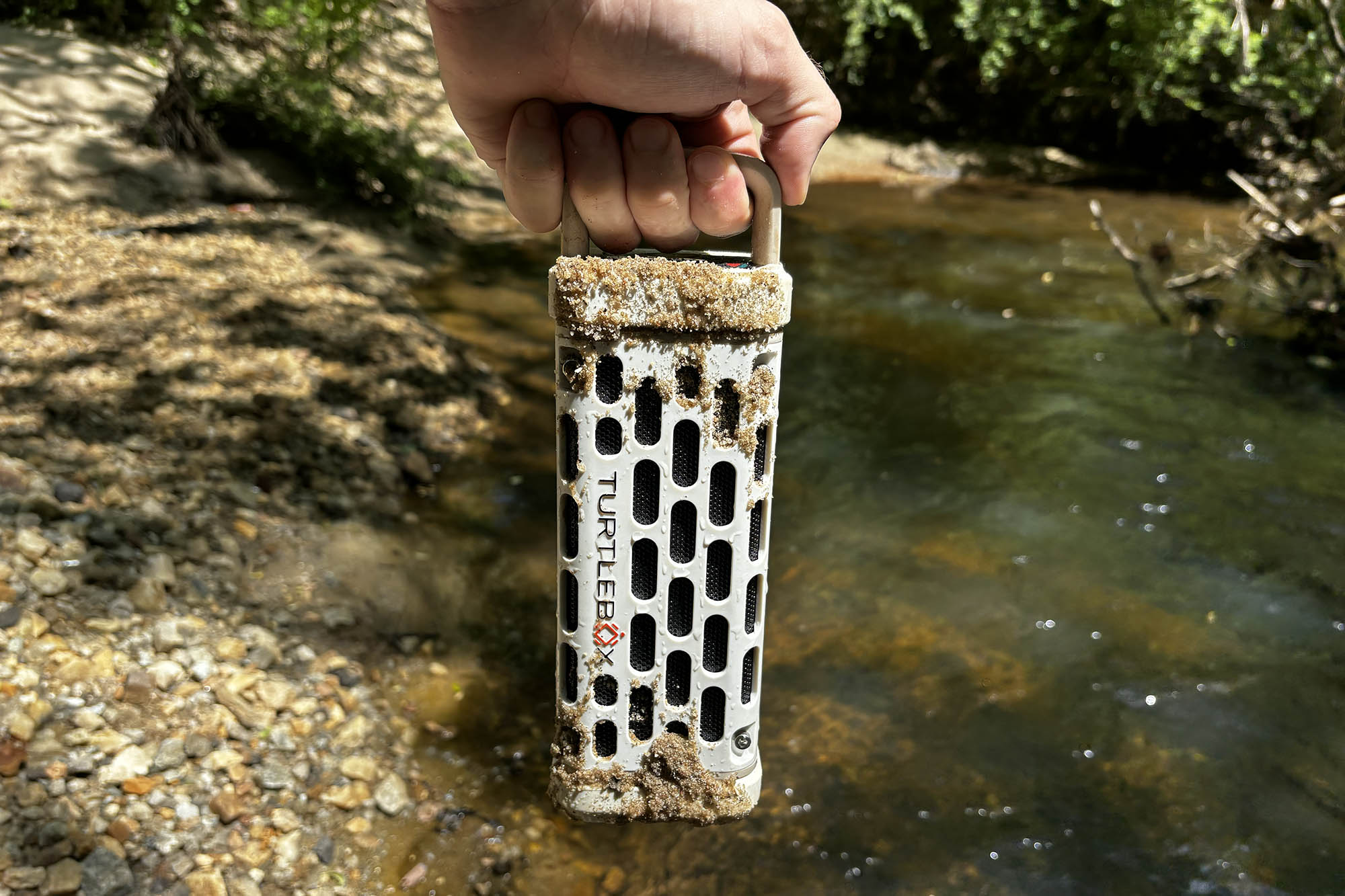
Durability is a major part of the sales pitch. Outdoor gear does not need to be precious. You should be able to toss it in the truck bed, move it around the yard, or leave it near the water without acting nervous the whole time. Family Handyman focused on that practical angle, which is the right lens for this category.
Battery life matters too, especially for long weekends or all-day use. If a speaker needs constant charging, it stops being portable in any useful sense. You end up managing it like a needy gadget instead of using it like a tool.
The portability question is more nuanced. The Ranger seems designed to be easier to carry than bulkier outdoor units while still delivering serious output. That middle ground is valuable. A huge speaker often sounds great, but if you hate moving it, you will leave it at home.
(That is the dirty secret of “portable” gear. A lot of it is only portable on paper.)
Where the Ranger fits against cheaper Bluetooth speakers
The biggest challenge in any Turtlebox Ranger review is price context. Plenty of shoppers will compare it to mainstream Bluetooth speakers that cost far less. Fair enough. But that comparison can get sloppy fast.
A cheaper speaker may be good enough for a bedroom, office, or casual picnic. It may even sound pretty solid at low to medium volume. But outdoor gear earns its keep in harsher conditions. Can it handle dust, splashes, rough transport, and louder spaces without becoming annoying or fragile?
That is where premium outdoor speakers try to separate themselves. You are paying for a package, not one line on a spec sheet.
- Stronger enclosure design
- Higher practical volume outdoors
- Better survivability in wet or dirty settings
- Less worry during travel and active use
Honestly, if your speaker will live on a shelf 90 percent of the time, the Ranger may be overkill. If it is going to bounce between the garage, patio, campsite, and lake, the math changes.
What to watch before you buy the Turtlebox Ranger
No speaker is perfect, and outdoor models often ask you to accept a few compromises.
Price can be a sticking point
If you only need occasional music by the fire pit, the Ranger may feel expensive. Durability has value, but only if you use it enough to cash in on that value.
Size still matters
Even if the Ranger is easier to move than larger alternatives, it is still not pocket gear. You are buying a speaker with presence, not something that disappears into a backpack side pocket.
Feature shoppers may want more
Some buyers care about app controls, voice assistants, or multi-room extras. The Ranger’s appeal is more blue-collar than digital-first. That is not old-fashioned. It is focused.
Should you buy it?
The best way to judge the Ranger is to ignore the hype and ask one blunt question. Where will you actually use this speaker most often?
If the answer is indoors, at a desk, or for light background listening, there are cheaper options that will serve you well. If the answer involves weather, tools, trucks, water, distance, and groups of people, the Ranger starts to look a lot more sensible.
This Turtlebox Ranger review comes down to fit. It looks like a speaker made for people who treat audio gear like outdoor equipment, not living-room decor. That is a narrower lane than marketing usually suggests, but it is a real lane.
The smart next move
Buy the Turtlebox Ranger if you need outdoor volume, durability, and grab-and-go convenience often enough to justify the premium. Skip it if you mainly want a stylish home speaker with occasional patio duty. That is the honest split.
Too many speaker reviews chase lab language and miss the obvious. The real test is simpler. Will this speaker keep earning its spot in your car, garage, or weekend kit six months from now?