Choosing a color palette for your home is one of the most impactful design decisions you will make. The right colors create flow between rooms, set the mood of each space, and tie your furnishings together. The wrong ones create visual discord that no amount of styling fixes. Here is a practical approach to getting it right.
Your Color Palette Roadmap
- Start with one inspiration piece you already own
- Build a palette of 5 colors: 1 dominant, 2 secondary, 2 accent
- Test every color with large samples before committing
- Keep your palette consistent across the entire home for cohesion
Start With What You Already Have
Look at your existing furniture, rugs, or artwork. Find one piece you love and pull colors from it. A rug with blue, cream, and gold gives you a ready-made palette to work with. Starting from an existing piece is easier than choosing colors in isolation.
The 60-30-10 Rule
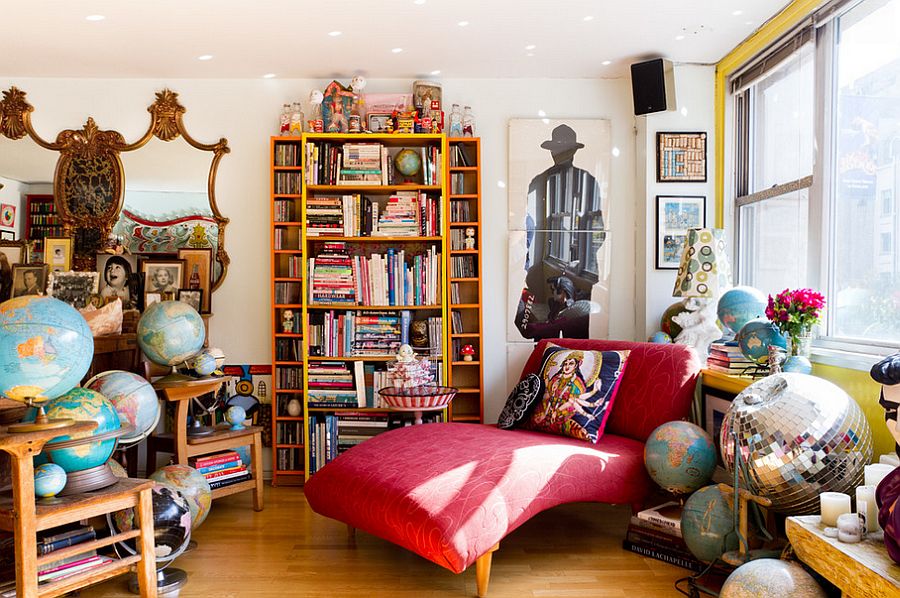
Professional designers use this ratio consistently. 60% of a room is your dominant color (walls, large furniture). 30% is your secondary color (upholstery, curtains, accent furniture). 10% is your accent color (throw pillows, artwork, decorative objects). This creates visual balance every time.
Dominant Colors That Work
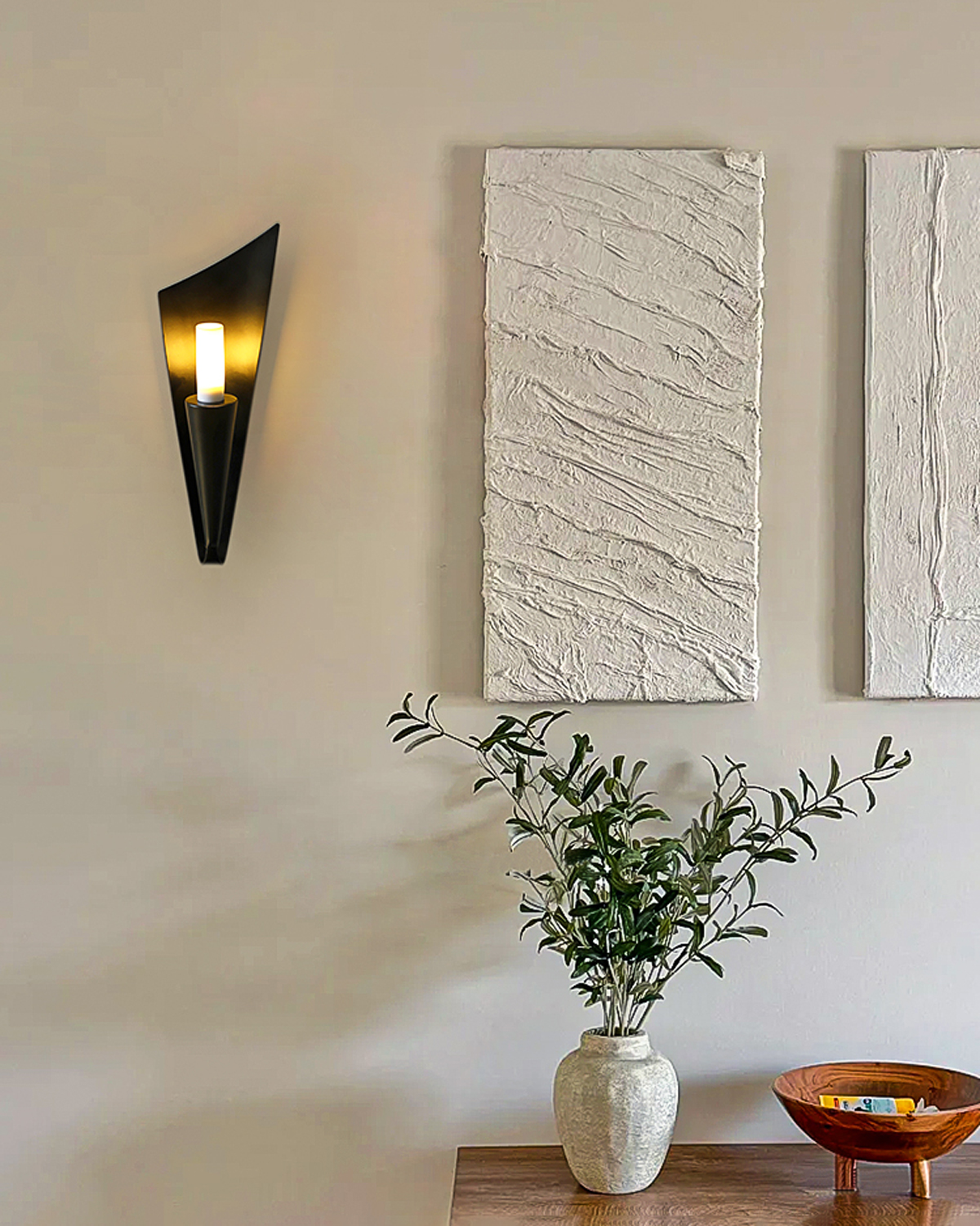
Warm whites (Swiss Coffee, Alabaster, Simply White) work in almost every home. Soft grays with warm undertones (Repose Gray, Agreeable Gray) provide a modern neutral base. Light taupes and greiges split the difference. Test 3 to 4 options with large paint samples on your wall before deciding.
Understanding Undertones
Every color has an undertone: warm (yellow, orange, red) or cool (blue, green, purple). Problems arise when you mix warm and cool undertones unintentionally. A cool gray wall next to warm beige trim creates a jarring contrast. Keep all elements in the same undertone family for harmony.
Flow Between Rooms
Your whole-home palette should include 5 total colors that repeat across rooms in different proportions. The living room might feature blue as the accent, while the bedroom uses it as a secondary color. This creates variety while maintaining a connected feel as you move through the home.
Testing Before Committing
Paint a 2-foot square sample on each wall you are considering. View it at different times of day. North-facing rooms make colors look cooler. South-facing rooms warm them up. Artificial lighting shifts colors at night. Live with your samples for at least 3 days before buying gallons.
The biggest color mistake homeowners make is choosing paint in artificial store lighting. Always test in your actual space, at multiple times of day.
Building Confidence With Color
If color feels risky, start small. Paint one powder room or accent wall in your chosen color. Add colored accessories to a neutral room. Build your confidence gradually. A well-chosen color palette transforms ordinary rooms into spaces that feel intentionally designed.