Your closet is full, but you still feel like you have nothing to wear. Clothes pile on the floor, shoes disappear behind forgotten bags, and finding a specific shirt takes longer than getting dressed should. A closet organization system fixes this problem permanently. You need one weekend, a few affordable supplies, and a clear plan.
Before You Start
- Every item in your closet needs to earn its space through regular use
- Drawer dividers and shelf bins cost under $50 total and double your usable storage
- Matching hangers create visual order that makes finding clothes faster
- Seasonal rotation keeps your daily wardrobe accessible and uncluttered
Saturday Morning: The Complete Purge
Pull everything out. Every shirt, every shoe, every forgotten gift bag stuffed in the back corner. Pile it all on your bed so you feel the urgency to finish before nightfall.
Sort into four categories: keep, donate, repair, and trash. Be honest. If you have not worn something in twelve months, it goes. The exception is formal wear or seasonal gear you use annually. A 2023 study by the Association of Professional Organizers found that the average American wears only 20% of their wardrobe regularly. That number should concern you.
The Hanger Test
Turn all your hangers backward after the purge. Over the next 30 days, flip each hanger forward after wearing that item. Anything still backward after a month is a strong candidate for donation.
Saturday Afternoon: Clean and Measure
Vacuum the closet floor and wipe down all shelves with a damp cloth. Measure the height, width, and depth of each shelf and the hanging rod length. Write these numbers down. You will need them when buying organizers.
While the closet is empty, check for any maintenance needs. Tighten loose rod brackets, replace burned-out closet lights, and patch any wall damage. This is your only chance to do it easily.
Sunday Morning: Install Your System
Start with hangers. Velvet slim-line hangers save 30% more rod space than bulky plastic hangers. They grip fabric without stretching necklines. Use one color for all hangers if your budget allows. The visual uniformity alone makes the closet feel organized.
Shelf Organization
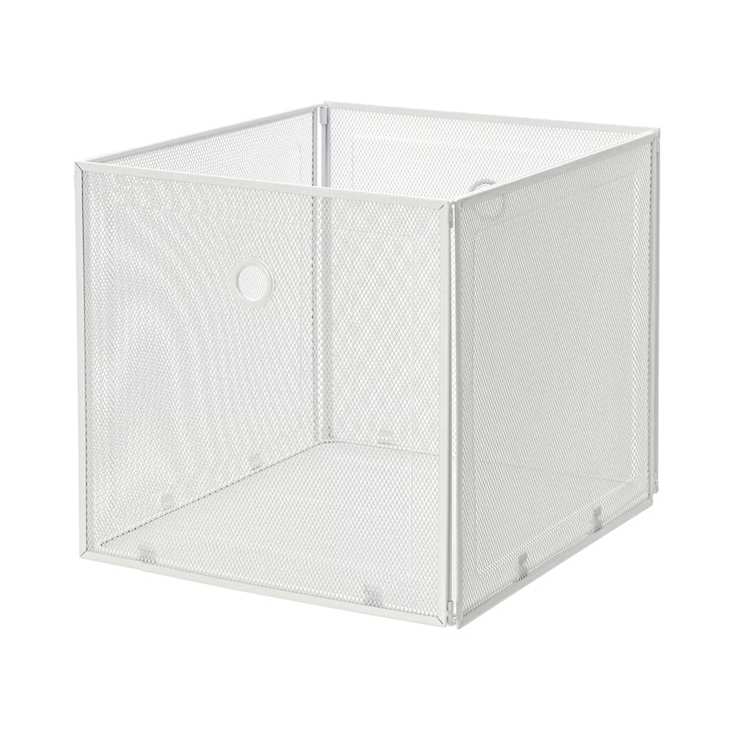
Clear storage bins with labels work best for items you do not access daily. Label each bin clearly: winter scarves, workout gear, belts, accessories. Stack bins by frequency of use, with everyday items at eye level.
Professional organizer Marie Kondo suggests folding clothes vertically in drawers so you see every item at a glance, rather than stacking horizontally where bottom items stay forgotten and unworn.
Drawer Dividers
Bamboo or adjustable plastic dividers transform messy drawers into organized grids. Separate socks from underwear, workout clothes from loungewear. The visual separation removes decision fatigue when getting dressed.
Sunday Afternoon: Zone Your Closet
Divide your closet into zones based on clothing type and frequency of use.
- Daily wear (center of the rod, eye-level shelves): Work clothes, casual favorites, go-to outfits
- Occasional wear (sides of the rod): Dress clothes, event outfits, seasonal transitions
- Storage (top shelves, bins): Off-season items, formal wear, specialty gear
- Accessories (door hooks, small bins): Bags, hats, belts, jewelry
Keep shoes on the closet floor in a single row or on a stackable shoe rack. Limit visible shoes to your current rotation of 8 to 10 pairs. Store the rest in clear shoe boxes on upper shelves.
Maintaining Your System
Spend five minutes each evening returning items to their designated spots. Hang clothes immediately after wearing or laundering. The system only fails when items bypass their zones and pile up on chairs or the floor.
Do a seasonal swap every three months. When temperatures shift, rotate the center rod between warm-weather and cold-weather wardrobes. This keeps your daily selection relevant and uncluttered.
Your organized closet should make getting dressed feel effortless. If you stand in front of it and still feel overwhelmed, you kept too many items in the purge phase. Revisit that step and be more decisive.