A minimalist closet holds fewer pieces, but each one fits well, feels good, and works with multiple outfits. The goal is not to own the fewest clothes possible. It is to eliminate the pieces you skip past every morning and keep only items you reach for with confidence. This guide walks through the editing process and the organizational system that keeps a minimalist closet functional.
Minimalist Closet Principles
- Keep only items that fit your current body and lifestyle
- Build around a neutral color palette with a few accent pieces
- One in, one out: every new purchase replaces an existing item
- Organize by category, then by color within each category
The Editing Process
Remove everything from your closet. Try on each piece. Ask three questions: Does it fit? Have I worn it in the past 6 months? Do I feel good wearing it? If the answer to any question is no, the piece goes into a donate or sell pile. Most people keep 30% to 50% of their original wardrobe through this process.
The Hanger Test
Turn all hangers backward after the edit. As you wear items and return them to the closet, flip the hanger forward. After 60 days, any item still on a backward hanger has not been worn. Move those pieces to the donation pile. This method reveals your true wardrobe without guessing.
Building a Capsule Wardrobe
A capsule wardrobe contains 30 to 40 pieces (including shoes) that all mix and match. Start with neutral basics: white tees, dark jeans, a blazer, and classic shoes. Add 5 to 8 accent pieces in colors you love. Every item should pair with at least 3 other items in your closet. If something only works with one outfit, it is not earning its space.
Organizing the Closet
Group items by type: shirts, pants, dresses, outerwear. Within each group, arrange by color from light to dark. Use matching slim velvet hangers for a uniform look that also saves space. Fold sweaters and place them on a shelf to prevent hanger stretch. Store shoes in clear boxes or on a low shelf with toes facing out.
Drawer Organization
Use drawer dividers to create sections for undergarments, socks, workout clothes, and accessories. File-fold t-shirts and casual tops so you see every item when you open the drawer. This folding method prevents buried items and keeps drawers tidy between laundry days.
Seasonal Rotation
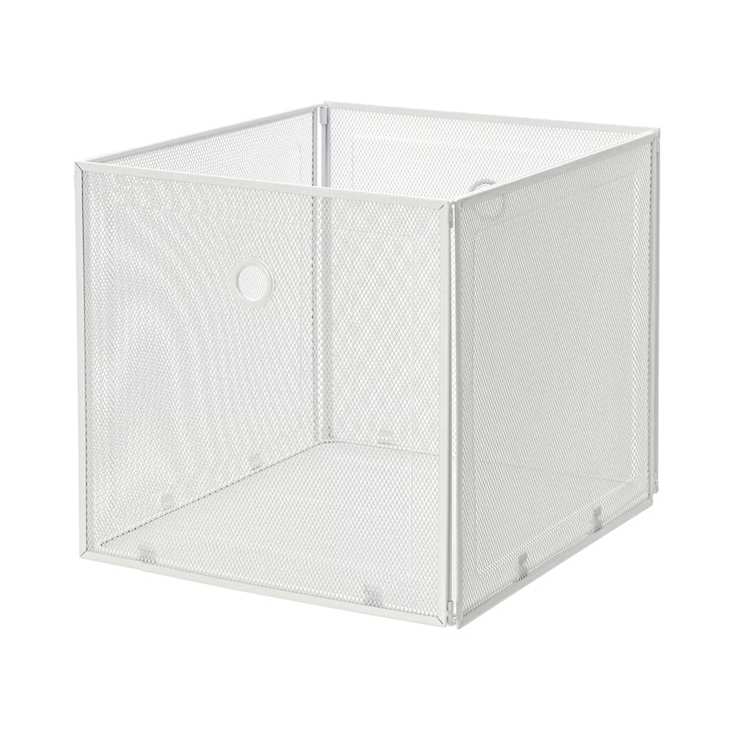
Store off-season items in labeled bins on a high closet shelf or in under-bed storage. Rotate wardrobes at the start of each season. This keeps your active closet lean and relevant. You dress faster when every item hanging in front of you works for today’s weather.
A minimalist closet is not about restriction. It is about removing distractions so the right outfit becomes obvious every morning.
Making It Stick
Resist shopping for 30 days after your initial edit. When the urge to buy returns, apply the one-in-one-out rule without exception. Invest in quality over quantity. A $60 shirt you wear 50 times costs less per wear than a $15 shirt you wear twice. This mindset shift keeps your minimalist closet minimal.