Decluttering your home is one of the most freeing things you will do this year. It reduces visual noise, lowers stress, and makes every room easier to clean. But the process feels overwhelming when you look at your entire home at once. This step-by-step guide breaks decluttering into manageable sessions that deliver visible progress every day.
Before You Start
- Set a timer for each session (30 to 60 minutes prevents burnout)
- Prepare donation bags, a trash bag, and a “sell” box before you begin
- Start with the easiest room first to build momentum
- Make decisions quickly: if you hesitate for more than 10 seconds, it goes
Room 1: The Bathroom
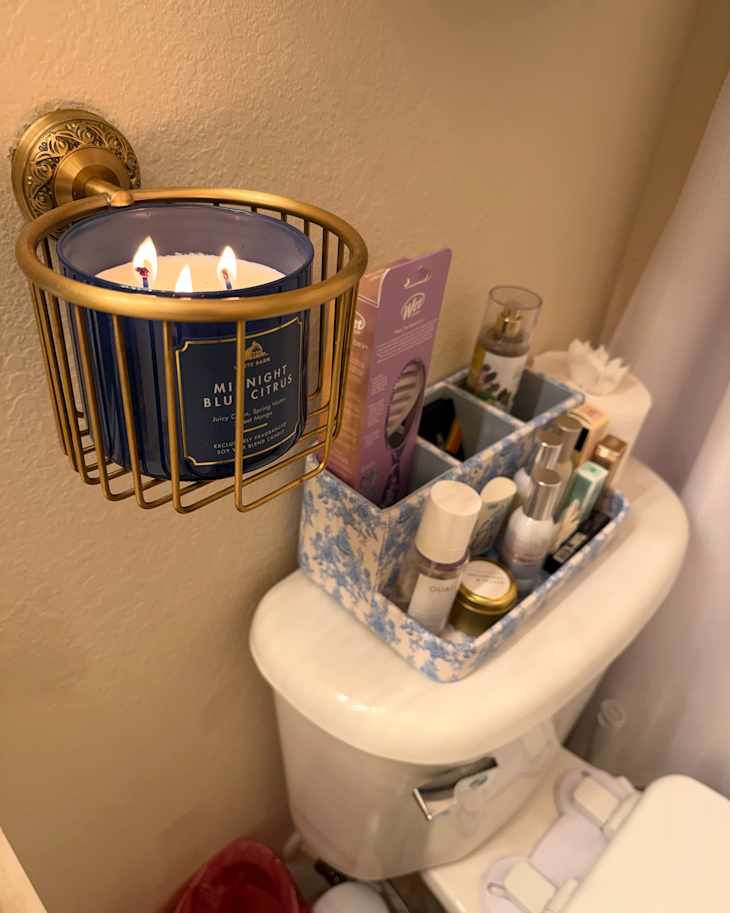
Start here because bathroom clutter is the easiest to evaluate. Open every drawer and cabinet. Toss expired medications, dried-out products, and anything you have not used in 6 months. Check makeup expiration guidelines: mascara (3 months), foundation (12 months), lipstick (18 months). Most people clear 30 to 50% of their bathroom items in this step.
Room 2: The Kitchen
Check expiration dates in the pantry and fridge. Remove duplicate utensils (how many spatulas does one person need?). Evaluate gadgets: if you have not used it in the past year, donate it. Keep only the dishes and glasses you use for daily meals plus enough for hosting. Box up the rest.
Room 3: The Bedroom
Clothes are the hardest category for most people. Use the 12-month rule: if you have not worn it in the last 12 months, it goes. Try everything on. Clothes that no longer fit, have stains, or make you feel anything less than good go in the donation pile. Limit sentimental items to a small box.
The Four-Box Method
Bring four labeled boxes to each room: Keep, Donate, Trash, and Relocate (items that belong in a different room). Sort every item into one of these boxes. The “relocate” box prevents you from leaving the room to put something away and getting distracted.
Room 4: The Living Room
Clear every surface. Sort through books, magazines, media, decor items, and electronics. Remove anything broken, redundant, or purely decorative that you do not love. Reduce decorative items to 3 to 5 per surface maximum.
Room 5: Storage Areas
Closets, garage, attic, and basement tend to accumulate forgotten items. Apply the 2-year rule here: if you have not needed it in 2 years, you will not need it. Seasonal decorations, one set of luggage, and tools you use are worth keeping. Everything else is a candidate for donation.
Common Decluttering Traps
- “I might need this someday” keeps too many items in your home. The cost of re-buying a rarely needed item is almost always less than the cost of storing it for years
- “This was expensive” does not mean it deserves space in your home. Sunk cost applies to objects too
- “It was a gift” does not obligate you to keep it forever. The value of a gift is in the giving, not the permanent storage
Decluttering is not about deprivation. It is about making room for the things that matter by removing the things that do not. A home with fewer possessions is easier to clean, easier to organize, and easier to enjoy.
After the Declutter
Donate within 48 hours. Do not let donation bags sit in your home. Schedule a pickup or drop items off immediately. The longer they stay, the more likely you are to pull items back out. Maintain your results by adopting the one-in-one-out rule going forward.