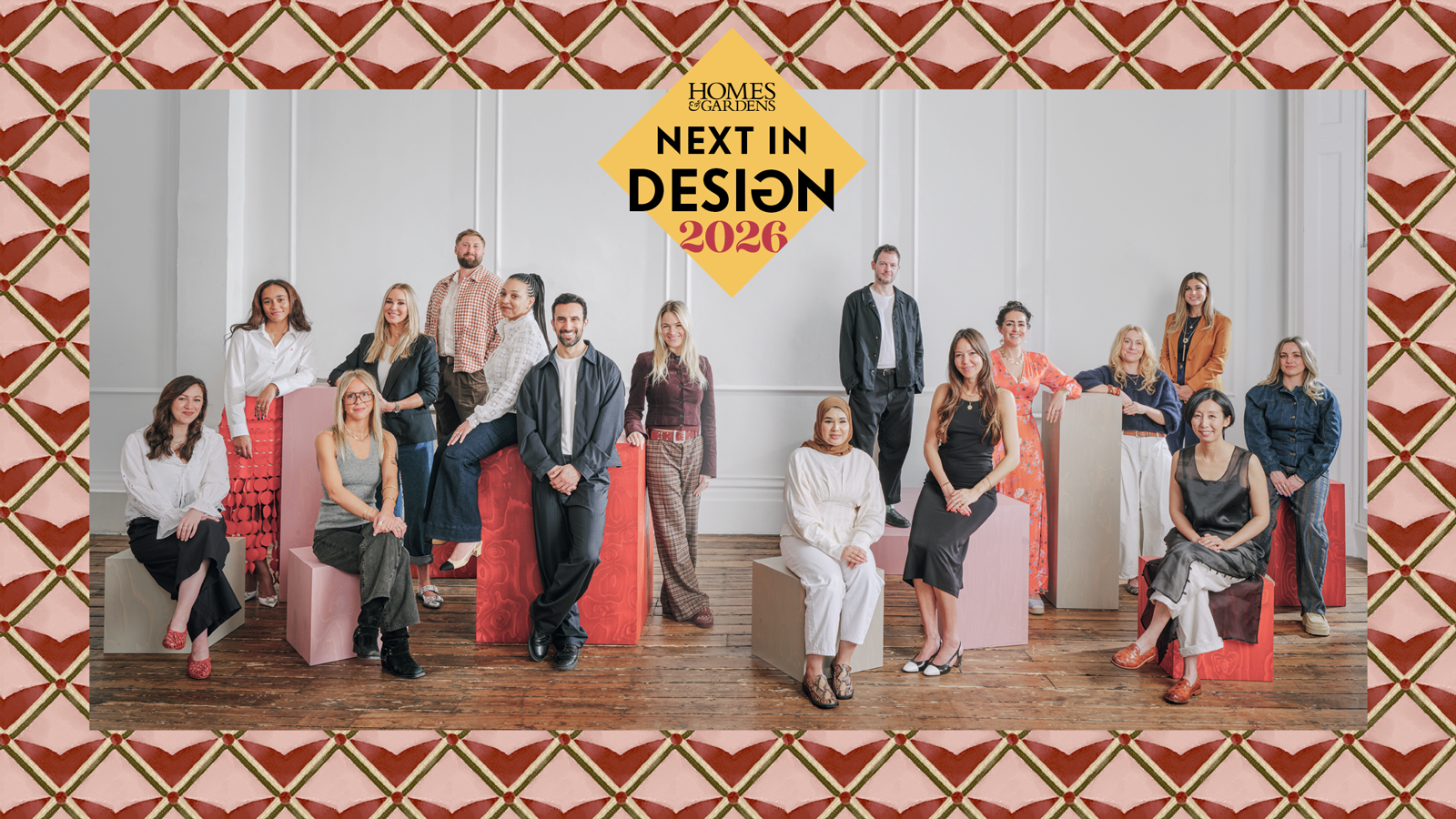
Gabriel Yuri and the New Next Designer 2026 Moment
If you follow interior design, you already know the market is full of big promises and thin ideas. The New Next Designer 2026 spotlight matters because it can shape what gets copied, sold, and praised over the next year. That affects the way you shop, decorate, and decide which trends deserve your money. Gabriel Yuri stands out because the work feels specific, not overworked. That is rare right now. And it matters if you want a home that feels current without looking like a showroom clone. What should you pay attention to, and what should you ignore?
What stands out about Gabriel Yuri
- Clear point of view: The work does not try to please everyone.
- Controlled use of materials: Texture and finish matter more than excess decoration.
- Practical impact: The ideas can translate to real rooms, not just concept boards.
- Fresh without noise: The appeal comes from restraint, not spectacle.
Good design usually looks calmer than the hype around it. That is the first clue you are looking at someone with staying power.
Why the New Next Designer 2026 label matters
These labels are part industry signal, part taste forecast. Editors and brands use them to identify who may shape the next buying cycle, from furniture finishes to wall colors to the kind of handmade detail people start asking for. Think of it like scouting in sports. The star is not always the loudest player on the field. The person with the cleanest fundamentals often matters more.
With the New Next Designer 2026 spotlight, you are not just seeing one designer. You are seeing what the design press thinks is about to become normal. That is useful if you want to stay ahead without chasing every fad.
How this translates into your home
You do not need to copy a designer room piece for piece. You need to understand the pattern behind it. Here are the moves worth borrowing from the kind of work that gets attention in this category.
- Choose one strong material story. Mix walnut, limewash, linen, or plaster, then stop. A room feels more grounded when one idea carries the space.
- Cut back on visual clutter. If every surface is competing, nothing reads clearly. Leave some breathing room.
- Use contrast with intent. Pair smooth and rough, light and dark, matte and reflective. The room needs tension, but not chaos.
- Spend where your eye lands first. A chair, a light, or a rug can carry more weight than five smaller purchases.
Where people go wrong
They buy the style without the discipline. That is how a room ends up looking expensive in photos and confused in person. A good design language is like a good recipe. If you double every ingredient, the dish gets worse.
Look at the details that hold the composition together. Trim, scale, spacing, and finish usually do more work than trendy decor ever will.
What brands and shoppers should watch next
If Gabriel Yuri keeps building on this momentum, expect a wider appetite for edited rooms, tactile surfaces, and furniture with stronger silhouettes. That does not mean maximalism disappears. It means people get pickier about what deserves space. Honestly, that is healthy.
You can use the same filter when shopping. Ask yourself: does this item solve a real visual problem, or am I buying it because the internet told me to? That question saves money.
The bigger shift is subtle. Design is moving away from stuff that only photographs well. The work that lasts usually does more than that. It organizes a room, gives it rhythm, and makes the whole space feel intentional.
What to do with the signal
If you are refreshing a room this year, use this moment as a guide, not a script. Pick one or two ideas from the New Next Designer 2026 conversation and test them in a small way. Maybe it is a deeper wood tone. Maybe it is a simpler layout. Maybe it is one statement piece instead of four half-decisions.
That is the real lesson here. Taste rewards editing. And the next designer worth watching is usually the one who proves it first.