House Map to Everything: Organize Your Home Fast
If you waste time hunting for batteries, warranty papers, pet supplies, or the extra phone charger, your problem is not a lack of storage. It is a lack of a system. A house map to everything gives every item a known home, so you stop guessing and start finding. That matters now because most homes carry too much stuff, too many drop zones, and too many half-finished organizing plans. The result is friction. Small, annoying, daily friction. I have seen plenty of trendy storage ideas come and go, but this one sticks because it is practical. You are not buying your way out of clutter. You are building a clear reference for where things belong, room by room, drawer by drawer, and shelf by shelf.
A few quick wins
- A house map to everything works best when you track categories, not every single object.
- Start with high-friction items like keys, tools, documents, chargers, and cleaning supplies.
- Use labels that make sense to your household, not labels that look good in a photo.
- Review the map every few months because storage habits drift.
What is a house map to everything?
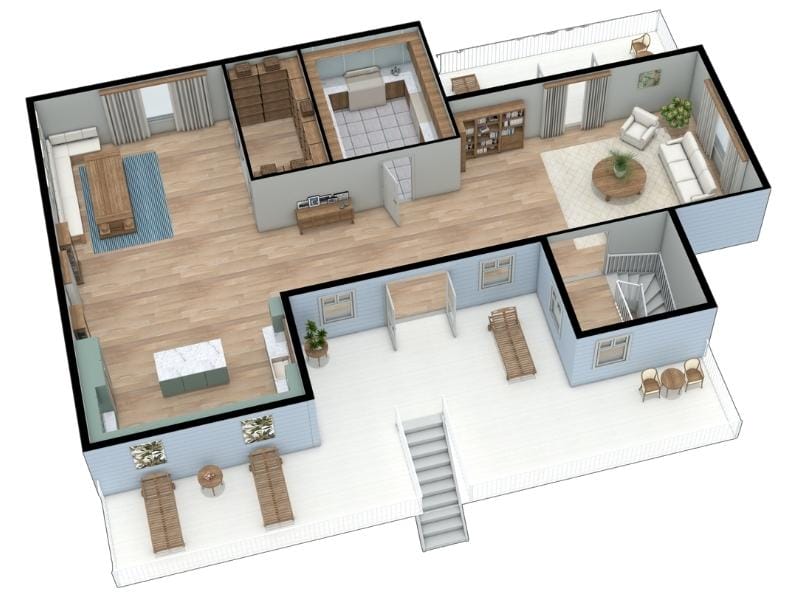
A house map to everything is a simple master list of where your household keeps things. Think of it like a floor plan crossed with an inventory guide. You note the room, the storage spot, and the type of item stored there.
It is less about perfection and more about retrieval. Can anyone in your home find the tape measure in 20 seconds? Can they put it back without asking you? That is the test.
Good home organization is not about owning less pretty bins. It is about making decisions once, then sticking to them.
Why a house map to everything works better than random decluttering
Random decluttering gives you a short burst of progress. Then life hits, and things spread back out. A map changes behavior because it sets a rule for where items live.
Look, most clutter is delayed decision-making. You leave an item on the counter because its real home is unclear, full, or inconvenient. A mapped system exposes those weak spots fast.
This is where the idea feels a lot like a restaurant kitchen. Every tool has a station, every ingredient has a shelf, and speed depends on repeatable placement. Your home may be calmer than a dinner rush, but the logic is the same.
How to build a house map to everything
1. Start with the rooms that cause the most friction
Do not begin in the attic or the holiday closet. Start where you lose time every day. Usually that means the kitchen, entryway, bathroom, laundry area, home office, or garage.
Pick one zone and write down:
- The room or area
- The storage location
- What belongs there
- Who uses it most
For example, instead of writing “junk drawer,” write “Kitchen, top right drawer, scissors, tape, pens, rubber bands, spare batteries.” That level of detail matters.
2. Map categories, not every fork
You do not need a museum catalog. Focus on categories that people forget, misplace, or duplicate by accident. Things like manuals, light bulbs, extension cords, pet meds, travel gear, and backup toiletries.
Keep it lean.
If you try to track every item, the system turns into homework. A useful map should be easy to update on your phone, in a notes app, or on a printed sheet inside a cabinet door.
3. Fix bad storage before you document it
Here is the part many people skip. If an item’s current home is awkward, do not memorialize the bad setup. Improve it first.
Maybe your cleaning products are split between three bathrooms. Maybe your tools are in five random buckets. Consolidate where it makes sense. Then map the final location (not the messy compromise you settled for last year).
4. Use plain labels
Honestly, this is non-negotiable. If the label says “household support items” instead of “batteries and bulbs,” you have already lost.
Use words your family actually says. “Dog stuff” may be better than “pet care accessories.” Clear beats clever every time.
Best places to use a house map to everything
Entryway and mudroom
This area sets the tone for the whole house. Assign spots for keys, mail, bags, shoes, umbrellas, and seasonal gear. If these items land in different places each day, the morning starts badly.
Kitchen
Kitchens attract overflow because they are central. Map food storage containers, small appliances, lunch supplies, cleaning products, and backup pantry items. And yes, the freezer deserves its own mini-map.
Bathroom
Keep first aid, medications, grooming tools, extra soap, and toilet paper in fixed places. If your household shares one bathroom, this matters even more.
Garage or utility area
This is where organization plans often go to die. Group tools, hardware, paint supplies, garden gear, car items, and home repair materials by task. If a drill bit set lives three shelves away from the drill, fix that.
Paperwork zone
Create one home for warranties, appliance manuals, tax papers, school records, and service receipts. A file box, drawer, or cabinet works. What matters is consistency.
Common mistakes that break the system
- Too many storage zones. If batteries are in the kitchen, garage, office, and basement, nobody knows the real home.
- Pretty over practical. Open baskets look nice until small items vanish inside them.
- No household buy-in. If only one person understands the map, it becomes a private memory test.
- No updates. Homes change. Kids grow. Hobbies spread. Storage needs shift.
And one more. People often create a map but never place it where others can see it. Print it. Share it. Save it in a family notes folder. Otherwise, what is the point?
How to keep your house map to everything current
Set a quick review every season. Four times a year is enough for most homes. Walk through the main zones and ask three questions.
- Are people putting items back where they belong?
- Have any categories outgrown their space?
- Do we keep looking for the same missing things?
If a category repeatedly goes missing, that is a signal. Either the storage spot is inconvenient, the label is vague, or the household does not agree on the rule.
The Family Handyman source behind this idea points to a bigger truth. Home organization works best when you make location decisions visible, simple, and repeatable. Fancy systems fail when they demand too much effort.
A smarter home runs on fewer guesses
A house map to everything will not turn your home into a magazine spread, and that is fine. It will do something better. It will cut the wasted minutes, repeated questions, and low-grade stress that build up when nothing has a clear place.
Start with one room this week. Map the items that people always ask about. Then see what changes over the next month. You may find that the real organizing win is not cleaner shelves. It is a house that stops making you search for your own stuff.