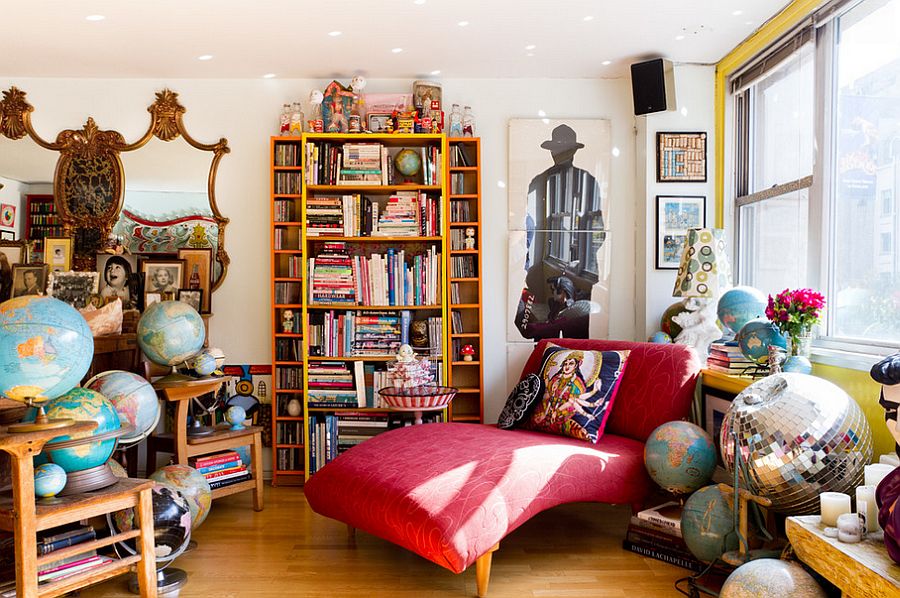
Your living room feels smaller than the square footage suggests. Furniture crowds the walls, natural light stops at the window, and the space never feels quite right. Strategic mirror placement solves all three problems at once. Designers and homeowners across the country use mirrors as their go-to tool for small living room transformations, and the results are consistently impressive.
What You Will Learn
- Where to place mirrors for maximum light reflection and visual depth
- Which mirror shapes and sizes work best in compact rooms
- How to avoid common mirror placement mistakes that make rooms feel awkward
- Budget-friendly mirror options that deliver high-end results
Why Mirrors Work in Small Rooms
A mirror reflects both light and visual space. Place a large mirror opposite a window, and your room gains a second “window” worth of natural light. The reflection creates an optical illusion of depth that makes the room feel nearly twice its size. This is not a new trick. Designers at the Palace of Versailles used this exact technique in the 17th century. The principle remains unchanged.
A 2024 survey by the National Association of Home Builders found that 67% of homeowners ranked “making rooms feel larger” as their top design priority. Mirrors address this goal without any structural changes.
Placement Rules That Work Every Time
Position your largest mirror directly across from the primary light source. In most living rooms, this means the wall opposite the biggest window. The mirror should be large enough to reflect the entire window frame for maximum effect.
Hang mirrors at eye level for standing viewers, roughly 57 to 65 inches from floor to center. Placing them too high creates a disconnected feel. Too low, and the reflection shows only furniture and flooring.
Interior designer Sarah Richardson recommends leaning oversized mirrors against the wall at floor level for a modern, relaxed look that also bounces light across the lower half of the room where shadows tend to gather.
Behind Furniture
A mirror placed behind a console table or sofa creates layers of visual depth. The reflected space “pushes” the wall back, making tight arrangements feel roomier. This works well in narrow living rooms where furniture sits close to walls.
Cluster Small Mirrors
A gallery wall of smaller mirrors adds dimension and decorative interest simultaneously. Group three to five mirrors of varying shapes on a single wall. Leave 2 to 3 inches between each piece. Use consistent frame finishes for a cohesive look.
Shapes and Sizes for Compact Spaces
Round mirrors soften rooms filled with angular furniture. They draw the eye naturally and work well above mantels, console tables, or as standalone statement pieces. A 30-inch round mirror provides enough reflective surface without overwhelming a small wall.
Full-length rectangular mirrors create the strongest depth illusion. Lean one against a wall in a corner where the room feels tightest. The vertical orientation draws the eye upward and makes ceilings feel taller.
Common Mistakes to Avoid
- Placing mirrors where they reflect clutter, laundry piles, or messy kitchen counters
- Using mirrors with heavy, ornate frames in small rooms where the frame competes with limited wall space
- Hanging mirrors directly opposite each other, creating a disorienting “infinity tunnel” effect
- Choosing tinted or antiqued mirrors when your goal is pure light amplification
Budget-Friendly Options
You do not need a designer-priced mirror to get designer results. IKEA’s HOVET mirror (roughly $100) stands 77 inches tall and delivers the same room-expanding effect as custom pieces costing five times more. Thrift stores and estate sales regularly stock solid wood-framed mirrors for under $30.
Frameless mirrors from home improvement stores offer maximum reflective surface per dollar. A 36×48 inch frameless mirror runs about $50 to $80 and mounts with simple adhesive clips.
Making Your Mirror Work Harder
Pair your mirror with intentional lighting. A table lamp placed near a mirror doubles its brightness in the reflection. Use warm-toned bulbs (2700K to 3000K) to keep the reflected light cozy rather than clinical.
Clean mirrors weekly with a microfiber cloth and a vinegar-water solution. Smudges and dust reduce reflectivity by up to 20%, cutting the light-amplifying benefit you installed the mirror to achieve.
Start with one statement mirror placed opposite your main window. Live with it for a week. You will notice the room feels brighter by midmorning and more spacious throughout the day. From there, decide if additional mirrors make sense for your layout.