Joan Collins Home Style Lessons
If your home feels flat, overmatched by trends, or missing any real sense of personality, Joan Collins home style is worth a close look. Her interiors show a very different approach from the stripped-back rooms that dominate social feeds. They are layered, personal, polished, and unapologetically lived in. That matters now because many homeowners are starting to push back on copy-and-paste decor and asking a better question. How do you make a room feel rich in memory, not just expensive? The answer is not buying more random decor. It is choosing pieces with identity, mixing eras with control, and letting collections tell the story. Joan Collins’s home, as featured by Architectural Digest, offers a sharp example of how glamour can feel warm instead of stiff.
What stands out right away
- Joan Collins home style leans on personal history, not showroom perfection.
- Pattern, antiques, books, and art work together because the rooms follow a clear point of view.
- Traditional glamour feels current here because scale and editing keep it from turning fussy.
- You can borrow the method without copying the look piece for piece.
Why Joan Collins home style still works
Look, plenty of celebrity homes feel staged for the camera and empty the second the photographer leaves. This one does not. The appeal comes from rooms that show taste, memory, and a strong visual backbone.
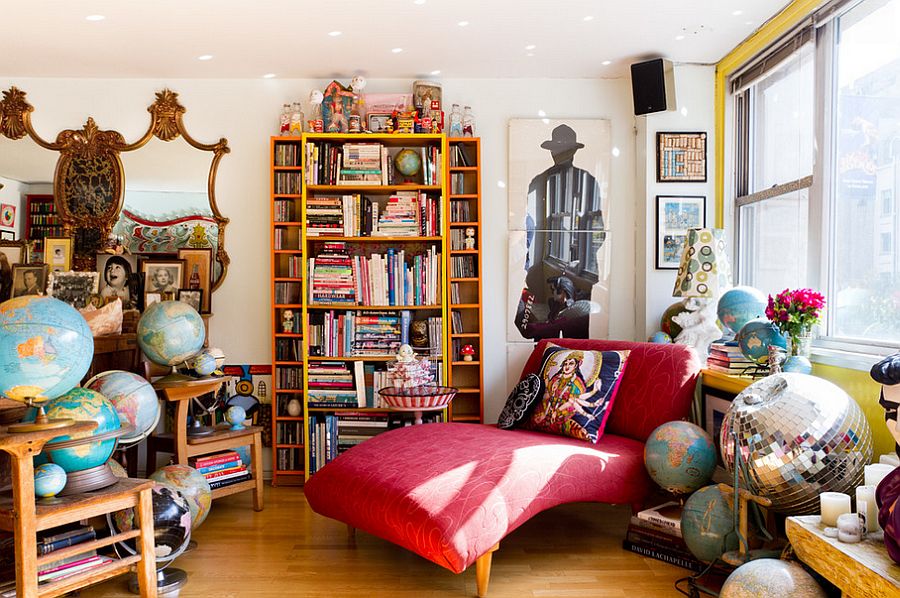
Architectural Digest highlights a home filled with classic furniture, layered textiles, collected objects, and a theatrical sense of presentation. That last part matters. Collins has long understood image, and her rooms reflect it. But they stop short of parody because they still function as real living spaces.
Great interiors do not need to hide personality. They need to organize it.
That is the core lesson here. Glamour without structure falls apart fast. Structure without personality feels cold.
How to use Joan Collins home style in your own rooms
1. Start with a mood, not a shopping list
Many people decorate backward. They buy accent chairs, lamps, and pillows first, then hope the room somehow gels. Collins’s rooms suggest the opposite approach. Decide what emotional tone you want before you buy anything.
Do you want your living room to feel clubby, elegant, and intimate? Or bright, airy, and formal? Pick one lane. A room is a little like a dinner party menu. If every dish fights for attention, the meal feels messy.
2. Let collected pieces do the heavy lifting
Joan Collins home style is packed with objects that appear chosen over time. That makes the rooms feel earned. You do not need celebrity-level antiques to get the same effect.
Try this:
- Use framed photos, travel finds, heirlooms, or vintage books.
- Group items by tone, material, or era so they feel intentional.
- Leave some breathing room between displays.
And yes, restraint matters.
A crowded shelf can look rich. It can also look like a yard sale if you ignore shape and spacing.
3. Mix formal pieces with comfort
One reason these interiors work is balance. You see elegance, but you also see places where someone might actually sit for an hour. That keeps the glamour from turning brittle.
If you want that same tension in your home, pair polished furniture with softer elements. Think carved wood with deep upholstery. Silk or velvet with a practical side table nearby. Even one formal piece can raise the tone of a room if the rest does not compete with it.
What Joan Collins home style gets right about color and pattern
Pattern scares people because they assume it will date a room. Honestly, bland rooms date too. They just do it quietly.
In the Architectural Digest feature, the home uses pattern and rich visual detail with confidence. The trick is not randomness. It is coordination. Repeated colors, classic motifs, and similar levels of formality keep the mix coherent.
If you want to test this in a low-risk way, use a three-step pattern plan:
- A larger anchor pattern on curtains, wallpaper, or a rug
- A smaller secondary pattern on cushions or an ottoman
- A solid or textured neutral to break things up
That formula works because it gives the eye a rhythm. Think of it like architecture. Ornament lands best when the structure underneath is solid.
Can you make Joan Collins home style feel modern?
Yes, and you probably should. Copying any famous home too literally is a mistake (unless you happen to own the same rooms, light, and collection, which you do not). The smarter move is to borrow the principles.
Here are the parts that translate well now:
- Curated layering instead of empty surfaces
- Statement lighting with classic shapes
- Vintage or antique pieces mixed into newer rooms
- Art and books used as design tools, not clutter
- Strong identity over trend-chasing
The part to watch is density. If your home is smaller or has lower ceilings, scale down the visual weight. One ornate mirror can do more than six decorative accessories.
What to avoid when borrowing Joan Collins home style
This is where many people go wrong. They see glamour and assume more is more. It is not. The rooms work because there is clear editing behind the scenes.
Avoid these common mistakes:
- Buying faux-luxury pieces that look thin or overly shiny
- Mixing too many gold finishes in one room
- Using heavy drapery in a space that lacks natural light
- Adding decorative objects without a unifying palette
- Turning every surface into storage for trinkets
But the biggest mistake is stripping out your own story. A home inspired by Collins should still feel like yours. Otherwise, what is the point?
Why this approach resonates again
Design trends move in cycles, and the ultra-minimal phase has clearly tired a lot of people out. Readers, designers, and homeowners are paying more attention to rooms with memory, texture, and emotional charge. That helps explain the renewed interest in classic decorating, English influences, and collected interiors across magazines and social platforms.
Collins’s home lands in that conversation neatly. It does not apologize for taste. It does not flatten itself to fit a trend forecast. And that confidence is a big part of its appeal.
Your next move
If Joan Collins home style speaks to you, do not start by shopping for “glam decor.” Start by editing one room for character. Pull out the pieces with history. Add one better lamp. Rehang the art so it has presence. Bring in a pattern that feels grown-up, not timid.
Trends will keep shifting. Personality will not. The smarter bet is building rooms with enough backbone to outlast the next wave of beige.