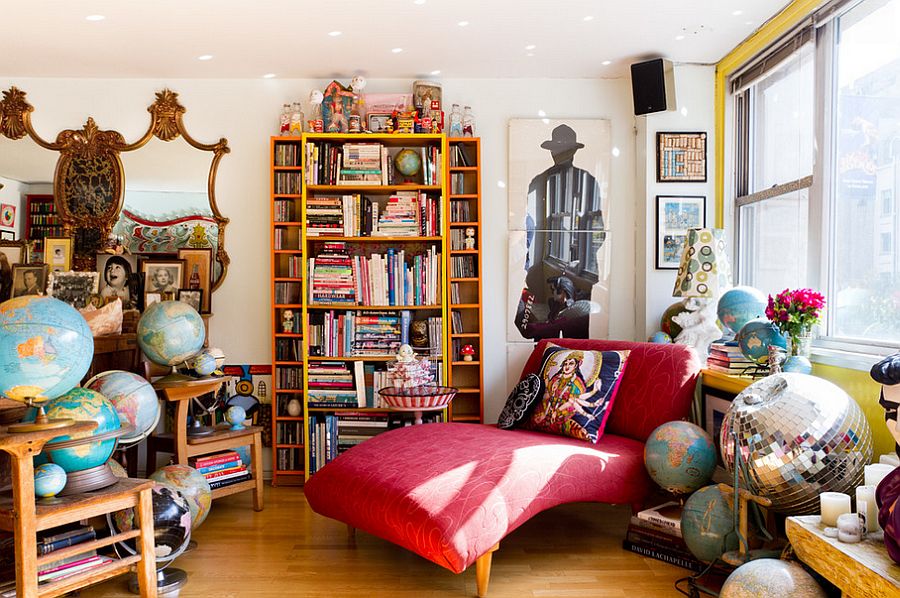
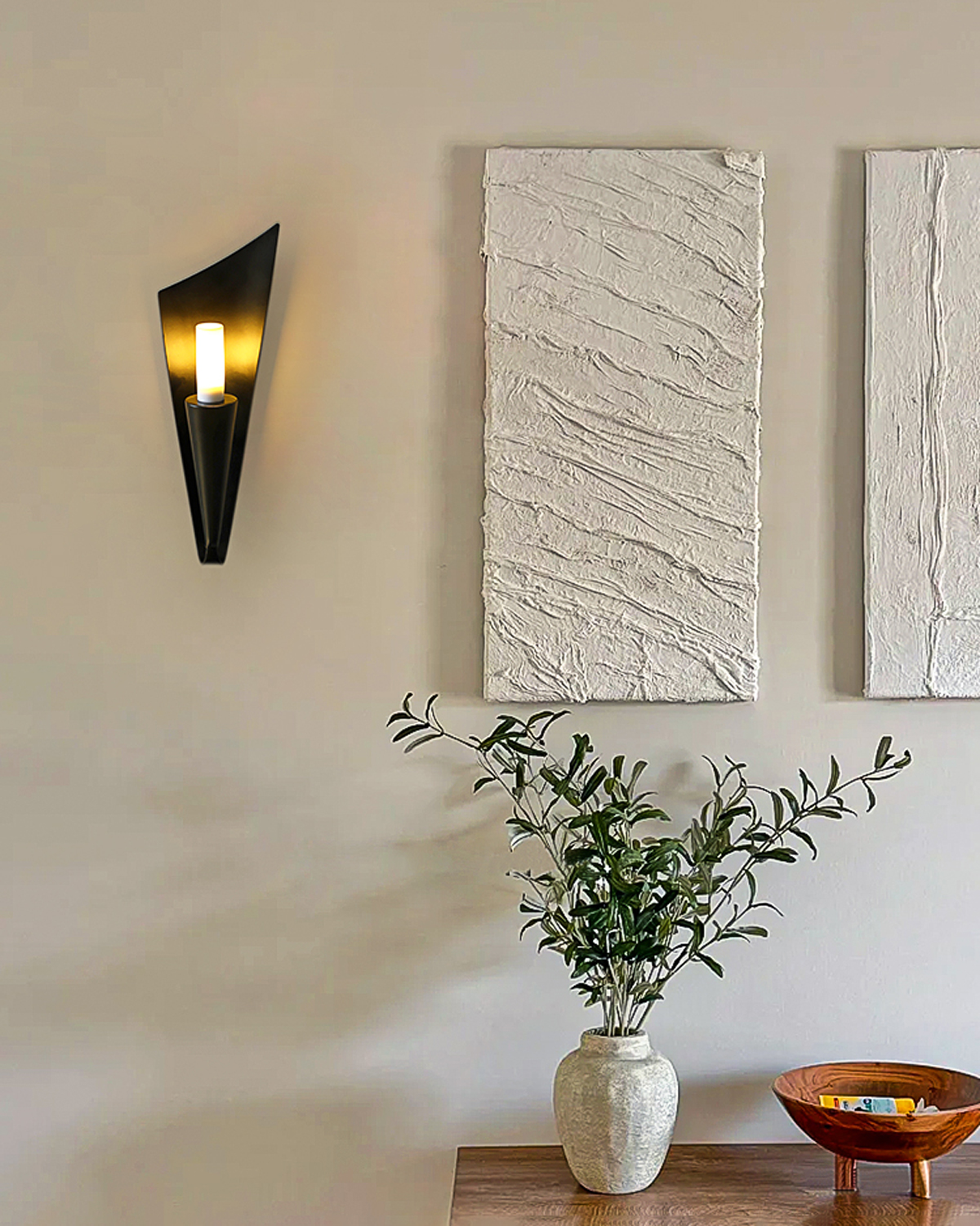
Neutral Paint Living Room Makeover Ideas
If your living room feels flat, dated, or oddly hard to style, the problem may not be your sofa or rug. It may be the wall color. A neutral paint living room update can change how light moves through the space, how wood tones read, and how your decor stands out. That matters now because many homeowners want a visible refresh without paying for a full renovation. Paint is still the cheapest way to shift the mood of a room, but picking the right neutral takes more judgment than people expect. Too cool, and the room feels lifeless. Too warm, and it can turn muddy fast. The best recent example comes from Apartment Therapy, where one living room transformation showed how a subtle neutral paint choice gave the space more depth, better contrast, and a cleaner look without stripping out its personality.
What this makeover gets right
- A well-chosen neutral can make existing furniture look more expensive.
- Undertones matter more than the color name on the paint chip.
- A neutral paint living room works best when it adds contrast, not when it fades into the background.
- Small styling tweaks after painting help the room feel finished.
Why this neutral paint living room worked
Apartment Therapy highlighted a living room redo that swapped an older wall color for a softer neutral, and the payoff was immediate. The room looked calmer, brighter, and more pulled together. But here is the part people miss. The new shade did not act like a blank wall. It gave the room structure.
That is the difference between a useful neutral and a forgettable one. The right paint color sets the stage for everything else, much like salt in cooking. You do not notice it first, but if it is off, the whole dish suffers.
Sometimes the smartest makeover is the one that makes everything you already own look better.
This is where many paint projects go sideways. People hear “neutral” and assume safe. Honestly, neutral is tricky because it has to work with daylight, lamps, flooring, trim, and fabric all at once.
How to choose a neutral paint living room color
Start with undertones. A neutral may lean beige, gray, taupe, cream, or even green. In a living room, those subtle shifts decide whether the space feels warm and inviting or cold and washed out.
Check these three things first
- Your natural light. North-facing rooms often pull cool. South-facing rooms can handle warmer paint.
- Your fixed finishes. Flooring, fireplace stone, and trim should guide the paint choice.
- Your soft furnishings. Look at your curtains, sofa, art, and rug before you commit.
And test paint on more than one wall. Morning light and evening light can make the same neutral look like two different colors.
One wall sample is not enough.
What makes neutral paint look expensive instead of dull?
Contrast. That is the whole game. If your walls, sofa, rug, and curtains all sit in the same vague beige zone, the room loses shape. A good neutral paint living room has layers. Think cream walls with walnut wood, oatmeal upholstery with black accents, or warm greige paired with crisp white trim.
Want a simple rule? Make sure at least one of these stands apart: the trim, the textiles, or the accent decor. Otherwise the room can feel foggy.
Use contrast in practical ways
- Add darker frames or lighting to sharpen the room.
- Mix wood tones instead of matching every piece.
- Use textured fabrics like linen, boucle, or wool to keep neutrals from falling flat.
- Bring in one grounded accent color through pillows, books, or art.
That last point matters. A neutral room still needs tension. Without it, the space can look like a showroom waiting for real life to start.
Lessons from the Apartment Therapy makeover
The living room featured by Apartment Therapy shows that a color change does more than freshen walls. It can correct the room’s visual balance. The updated neutral made the decor feel more intentional, while also helping the architectural details and furnishings stand out.
Look, this is why paint remains such a reliable tool in home decor. You are not changing the footprint. You are changing how the eye reads the room. That can be enough.
If you are planning your own update, borrow these lessons from the makeover:
- Pick a neutral with depth. Flat shades can make a room feel cheap.
- Respect undertones. Beige and gray are not interchangeable.
- Style after the paint dries. Rearranging art and accessories helps the color make sense.
- Do not chase trends. A steady neutral will outlast the latest social media favorite.
Common mistakes with a neutral paint living room
Plenty of neutral rooms fail for predictable reasons. The first is choosing paint from a tiny swatch under store lighting. The second is ignoring what is already in the room. The third is assuming white trim automatically works with every neutral wall. It does not.
Here are the most common problems I see:
- The paint turns pink, green, or purple once it is on the wall.
- The room lacks enough contrast to feel finished.
- The new wall color fights the floor.
- Decor choices stay too timid after painting.
Ask yourself a blunt question. Does your current room feel calm, or does it feel beige by accident? That answer should guide your choices.
Simple updates that help the paint do its job
After painting, make a few low-cost changes so the room does not stop halfway. This part is often skipped, and then people wonder why the makeover still feels incomplete.
Try these finishing moves
- Swap in warmer bulbs if the room feels sterile.
- Edit clutter on shelves and tables.
- Use larger art pieces to anchor the walls.
- Add one or two black, bronze, or dark wood accents for definition.
- Bring in plants if the neutral scheme needs life.
Even a modest reset can make the paint color read better. That is especially true in small living rooms, where every object affects the whole scene (sometimes more than people expect).
Before you buy the paint
If you are inspired by this Apartment Therapy transformation, take the method more than the exact shade. Your room has its own light, its own flooring, and its own problems. Copying a color without testing it is like buying tailored clothes off someone else’s measurements.
Get sample pots. Paint large boards. Move them around the room for two days. Then decide.
A neutral paint living room can be one of the smartest updates in your home, but only if the color earns its place. The next time a room feels off, do not rush to replace the furniture. Start with the walls, and be pickier than the paint aisle wants you to be.