Opening a kitchen cabinet and having items fall out wastes time and damages your groceries. Most kitchen cabinets have enough space for everything you need. The problem is arrangement, not capacity. This guide walks through a practical system for organizing kitchen cabinets so you find what you need in seconds and put things back without thinking.
Organization Principles
- Group items by category and use frequency
- Store daily items at eye and waist level
- Use shelf risers and turntables to access back items
- Empty everything first, then put back only what stays
Step 1: Empty Every Cabinet
Remove everything from your cabinets. Wipe down shelves. Sort items into four groups: keep, toss (expired or damaged), donate (duplicates or unused), and relocate (items that belong elsewhere). Most people eliminate 20% to 30% of their cabinet contents during this step alone.
Step 2: Zone Your Kitchen
Create zones based on activity. Store coffee mugs, filters, and sweeteners near the coffee maker. Keep pots, pans, and cooking oils near the stove. Place glasses and plates near the dishwasher for easy unloading. Group baking supplies in one cabinet. This zone-based system reduces steps and search time for every task.
The Cooking Zone
Lower cabinets near the stove hold pots, pans, and lids. Use a lid organizer or tension rod to keep lids upright and accessible. Store cooking oils, spices, and utensils in upper cabinets or on the counter directly beside the cooktop.
Step 3: Add Shelf Organizers
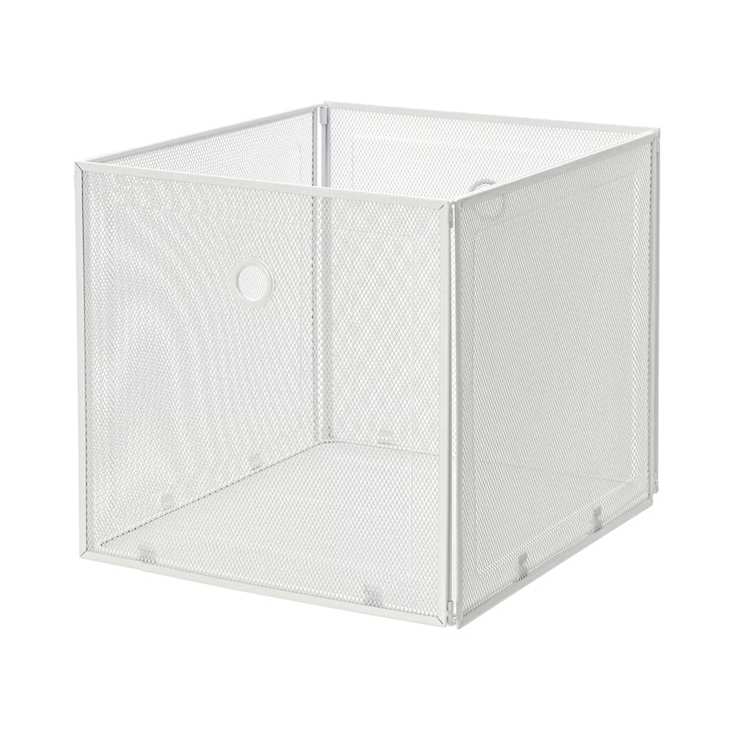
Shelf risers double your storage capacity by creating a second level inside each cabinet. Turntables (lazy Susans) in corner cabinets make every item reachable with a spin. Pull-out drawers retrofit into existing cabinets for $15 to $30 each. These simple additions eliminate the stacking and digging that makes cabinets messy.
Step 4: Use Clear Containers
Transfer dry goods (pasta, rice, flour, cereal) into clear, airtight containers. Label each one. Uniform containers stack neatly and make it easy to see when supplies run low. Square containers use shelf space more efficiently than round ones.
Step 5: Stack Smart
Nest bowls and plates by size. Store heavy items on lower shelves. Use plate racks to stand plates vertically if horizontal stacking wastes space. Hang mugs on hooks under upper cabinets to free shelf space for other items.
An organized kitchen is not about buying more organizers. It is about owning fewer things and placing each item where your hand naturally reaches for it.
Maintaining Your System
Spend 5 minutes after each grocery trip returning items to their assigned zones. Do a full cabinet audit every 6 months to remove expired items and adjust zones as your cooking habits change. A system only works if every household member knows the layout and follows it.