Pat Austin Vermont Schoolhouse Design Ideas
If you have ever looked at a historic house and wondered how to make it feel fresh without stripping out its character, the Pat Austin Vermont schoolhouse is a sharp example. It shows how to keep old bones intact while making the space useful for modern life. That balance matters now because a lot of homeowners want warmth, history, and personality, but they also want storage, easier upkeep, and rooms that actually work.
Look closely and you will see that the appeal is not about collecting antiques for show. It is about restraint, proportion, and a clear point of view. That is the part worth stealing. How do you make a small historic space feel calm instead of cramped?
What stands out in the Pat Austin Vermont schoolhouse
- Original character stays visible. The structure does not get buried under heavy decoration.
- Natural materials do the heavy lifting. Wood, worn finishes, and simple surfaces add depth.
- The room layout feels intentional. Each area has a job, even if the building is compact.
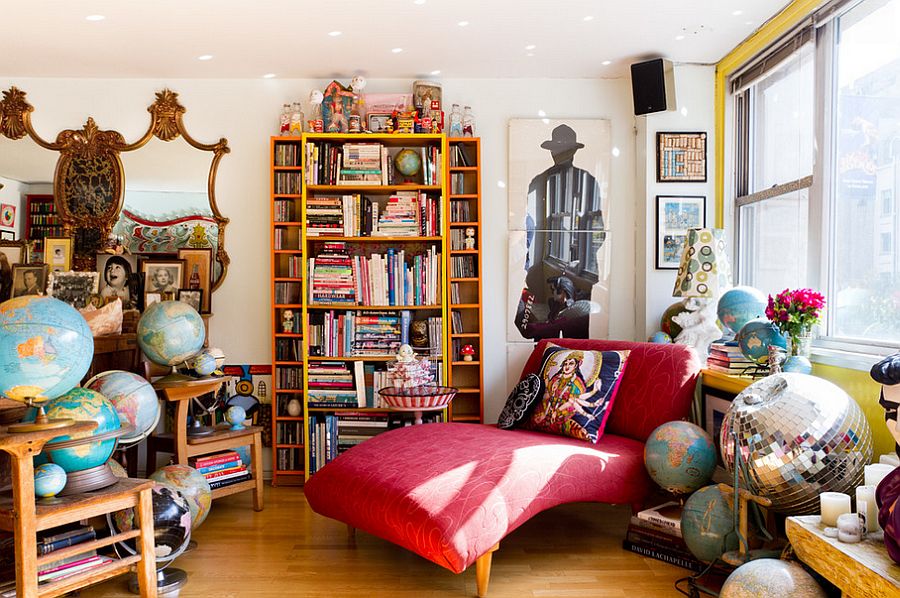
- Vintage pieces feel edited, not crowded. The effect is collected, not cluttered.
- Light matters. Open sightlines keep the space from feeling boxed in.
Pat Austin Vermont schoolhouse: the design lesson behind the charm
The biggest lesson from the Pat Austin Vermont schoolhouse is that old buildings do not need to be dressed up. They need to be respected. That means keeping the strongest architectural details, then pairing them with choices that calm the eye instead of fighting for attention.
Think of it like restoring a vintage car. You do not chrome every part because you can. You keep the lines that matter, fix what is broken, and avoid changes that make the whole thing feel fake.
Good historic design is not about adding more. It is about knowing what to leave alone.
How to use that idea in your own home
- Choose one anchor feature. It might be a beam, a fireplace, a window, or original flooring.
- Repeat a small material palette. Two or three finishes usually feel cleaner than six.
- Mix old and new on purpose. A modern lamp beside a weathered table creates balance.
- Leave some surfaces quiet. Empty space gives old details room to breathe.
- Use scale carefully. Oversized furniture can crush a small historic room.
Pat Austin Vermont schoolhouse and the case for edited collecting
One reason the space works is that it avoids visual noise. That matters if you like antique shopping, because the temptation is to bring home every good piece you find. But a room does not need every object in your field of vision. It needs a few strong ones.
Honestly, this is where many homes go off the rails. They start with taste and end with storage overflow.
If you want the Pat Austin Vermont schoolhouse effect, edit harder than you decorate. Ask yourself a simple question: does this piece improve the room, or just fill it?
Simple rules for a calmer look
- Limit patterns so the architecture stays in charge.
- Use one dominant tone and a few supporting accents.
- Keep lighting warm, but not dim.
- Let worn finishes show age instead of sanding away all texture.
Where this style works best
This approach works in old houses, cottages, converted barns, and even newer homes that want a bit more soul. You do not need a schoolhouse to borrow the method. You need discipline.
Start with the structure you already have. Then layer in pieces that feel honest to the building. A clean-lined chair, a painted wood table, or a simple woven textile can do more than a room full of decorative extras.
And yes, you can still make it personal. The point is not to freeze a home in time. It is to let history stay legible.
What to copy, and what to skip
Copy the quiet confidence. Copy the balance between old fabric and practical updates. Copy the way the room seems to know its own limits.
Skip the urge to over-theme the space. Skip heavy-handed rustic clichés. Skip the idea that charm needs to be loud. It does not.
The Pat Austin Vermont schoolhouse works because it treats every choice like part of a structure, not a costume. That is the real takeaway. If you are planning a room refresh, what would happen if you removed one thing before adding three?
A smarter way to approach your next room
Before you buy anything, stand in the room and name the thing you want people to notice first. Then build around that. It could be a window, a floor, a table, or even the light at a certain hour of the day.
That single decision will do more for the room than another cart full of decorative objects. Try that first. Then see what the space asks for next.