Pattern Splicing Trend: How to Mix Prints at Home
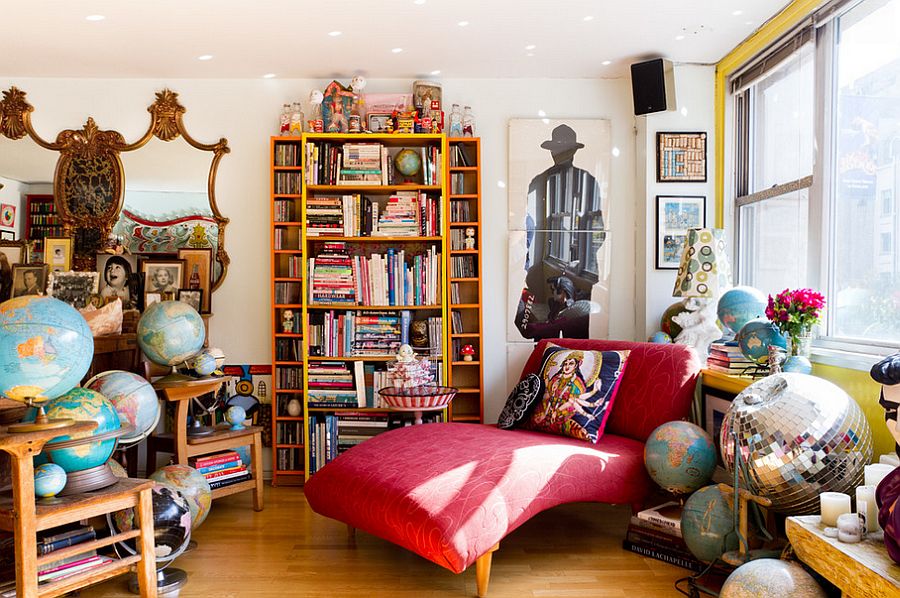
If your room feels flat, safe, or a little too matched, the pattern splicing trend offers a smart fix. This look is gaining traction because it breaks the old rule that prints should stay in their lane. Instead, you combine stripes with florals, checks with abstracts, and vintage motifs with cleaner modern lines. The result can feel layered, personal, and far more alive than a room built around one predictable fabric story.
But mixing patterns is where many people freeze. How many prints are too many? What keeps the space from looking chaotic? That is the real issue. Done well, pattern splicing adds energy and depth. Done badly, it can feel like visual static. The good news is that there is a method to it, and you do not need a designer budget to pull it off.
What to know before you start
- Pattern splicing trend means combining unlike prints on purpose, not matching them.
- Start with a shared color thread so different patterns still relate.
- Mix scale first. Large, medium, and small prints usually work better together.
- Use solids and texture to give the eye a place to rest.
What is the pattern splicing trend?
The pattern splicing trend is a decorating approach built around contrast. You pair patterns that do not obviously belong together, then tie them into one room through color, scale, or repeated shapes. Apartment Therapy recently pointed to this look as a fresh way to bring more personality into a space, especially for people who are tired of rooms that feel overly beige and overly careful.
Look, this is not a license to throw random fabrics together and hope for the best. It works more like cooking than collecting. Acid, fat, salt, heat. Different elements, but each one has a job. In a room, one pattern leads, another supports, and a third adds tension.
Pattern splicing works best when the mix looks intentional, even if it feels a little unexpected.
Why the pattern splicing trend works so well
Most rooms need contrast. Without it, everything blends into one visual note. Pattern splicing creates movement, and that movement makes a home feel lived in rather than staged for a catalog.
It also gives you more freedom. If you already own a striped pillow, a floral chair, or a geometric rug, you do not have to replace them just because they are not from the same set. Honestly, matching furniture collections often drain the life out of a room. A layered room tends to feel smarter.
This is where personality shows up.
There is also a practical upside. Mixing prints can help older pieces sit comfortably next to newer ones, which is useful if your home has evolved over time instead of arriving all at once in a delivery truck.
How to use the pattern splicing trend without making a mess
1. Pick one anchor pattern
Start with the loudest or most defining print in the room. That could be a rug, wallpaper, duvet, or accent chair. This anchor sets the mood and gives the other patterns something to respond to.
If your anchor is busy, keep at least one supporting pattern simpler. If the anchor is geometric, a looser organic print can balance it well.
2. Repeat at least one color
Color is the glue. You can mix very different prints if they share one or two shades. Navy, rust, olive, cream, black, and soft blue often work well because they can bridge traditional and modern patterns.
And no, every color does not need to match exactly. A room usually looks better when tones vary a bit (think ink blue next to faded denim blue) because that keeps the mix from feeling stiff.
3. Vary the scale
This is the part many people miss. If every pattern is the same size, they compete. A large floral, a medium stripe, and a small check usually feel easier on the eye.
Think of it like a basketball lineup. If every player tries to run point, the team falls apart.
4. Add visual breaks
Pattern needs breathing room. Solid upholstery, painted walls, wood tones, and natural textures help calm the composition. Linen, cane, leather, jute, and matte ceramics can all act as buffers between stronger prints.
But do not overcorrect and strip the room back to nothing. You want tension. Just controlled tension.
5. Keep the mix in specific zones
If you are nervous, contain the look. Try pattern splicing on a bed, a sofa, or a breakfast nook before spreading it across the whole house. This makes the style easier to test and easier to edit.
Best places to try pattern splicing at home
- Bedroom
Layer patterned bedding, a printed lumbar pillow, and a checked throw. Bedrooms are forgiving because the bed naturally creates a focal point. - Living room
Mix patterned pillows with a textured rug and printed curtains. Keep the sofa itself solid if you want a safer entry point. - Dining nook
Try striped seat cushions with floral wallpaper or a bold tablecloth. Smaller spaces can handle stronger choices because the impact is concentrated. - Entryway
A patterned runner, framed textile art, and a painted accent can make a compact area feel far less forgettable.
Common mistakes with the pattern splicing trend
Some rooms fail because the prints are too similar. Others fail because there is no connective tissue at all. You need difference, but you also need a reason those pieces belong together.
- Using too many high-contrast patterns in the same color intensity
- Skipping solids and texture
- Choosing prints of nearly identical scale
- Adding trendy pieces with no relation to the room you already have
- Forgetting that lighting changes how patterns read
Here is the question to ask: does this room feel collected, or does it feel crowded?
Budget-friendly ways to test the look
You do not need custom upholstery to try this. Start small and stay movable. Pillows, throws, table linens, lampshades, removable wallpaper, and framed fabric panels all let you experiment without locking yourself in.
Thrift stores and vintage markets are especially good for this style because older textiles often have stronger character than mass-market basics. A faded chintz pillow next to a clean stripe can look far better than two brand-new items bought from the same shelf.
If you shop online, make a simple mood board first. Screenshot pieces, place them side by side, and check the mix in grayscale too. That trick helps you see whether the pattern scale and contrast are working, not just the color.
How to make it feel current, not fussy
The fastest way to make mixed patterns feel dated is to go too ornate in every direction. Balance traditional motifs with cleaner shapes. Pair florals with stripes. Use checks with abstract prints. Let one old-school element carry the nostalgia while the rest of the room stays sharper.
That balance matters. A home should feel like it belongs to a person, not a period drama set.
And if you want the easiest formula, use this one:
- One dominant pattern
- One secondary pattern
- One small accent print
- At least one solid or heavy texture
Where this trend is headed
The appeal of the pattern splicing trend is simple. It pushes back on sterile sameness and makes room for taste, memory, and a little nerve. That is why it has staying power beyond one season of social media attention.
Try it in one corner first. If the room suddenly feels more like you, that is your answer.