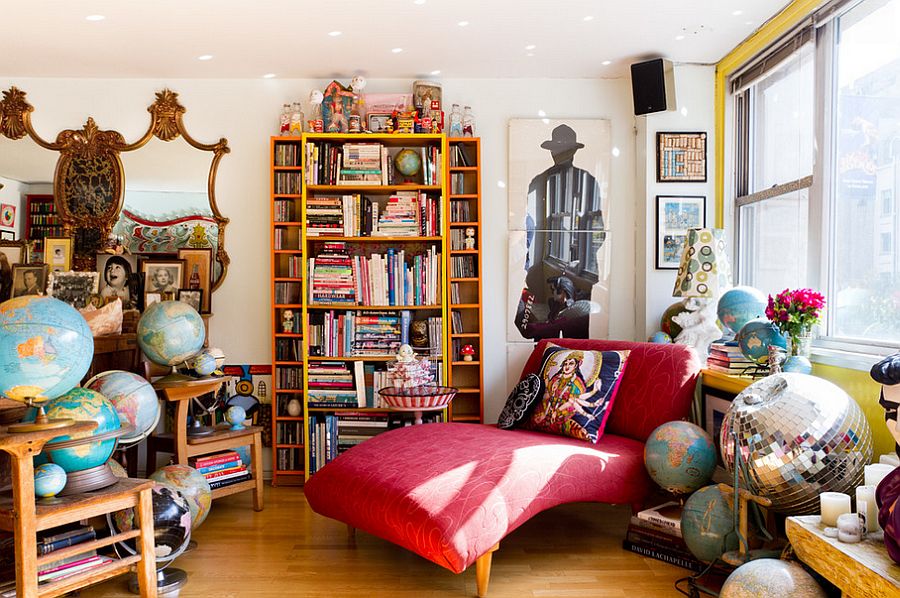
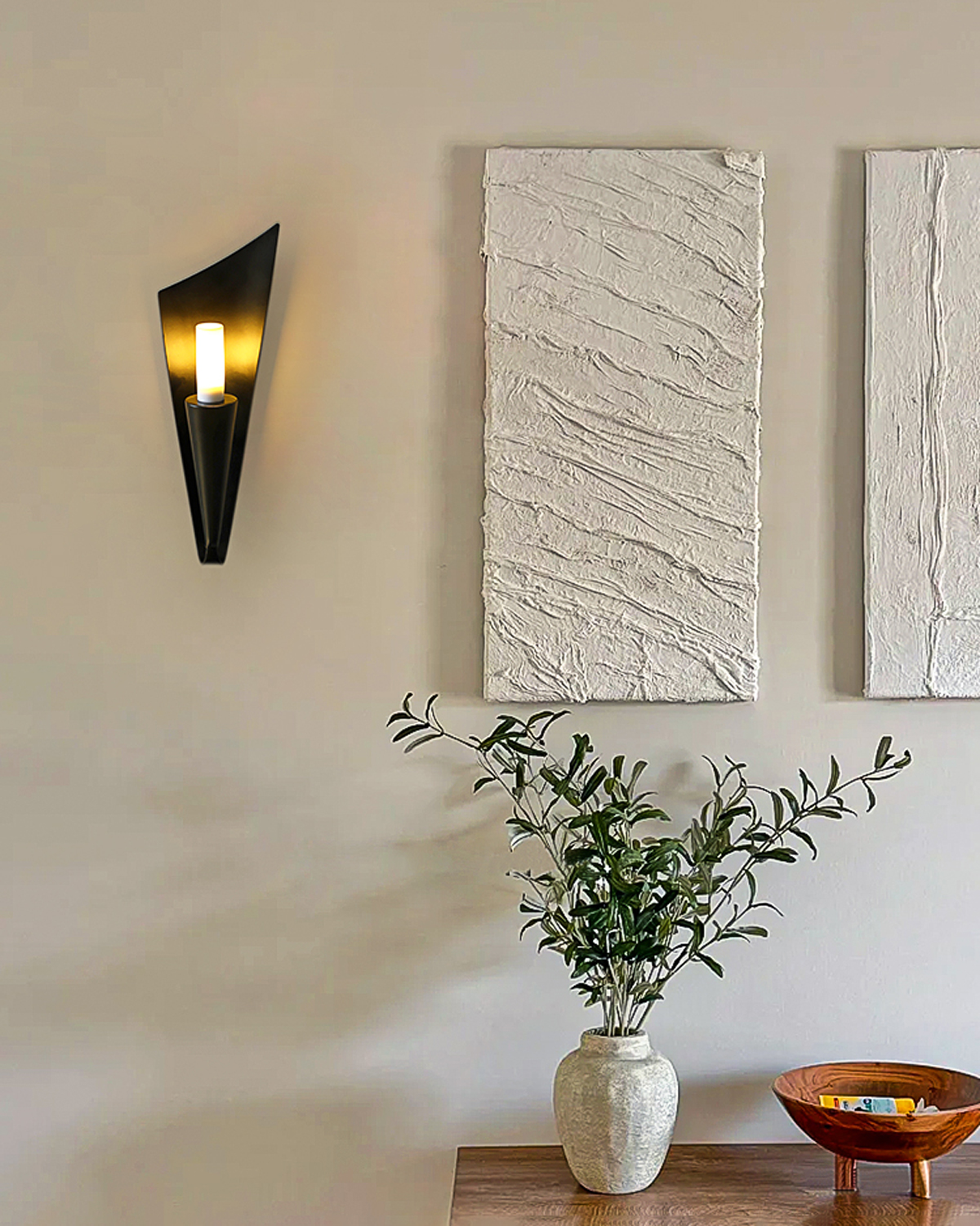
Open shelves add character to kitchens, living rooms, and bathrooms. They also expose your organizational habits to everyone who visits. The difference between a styled shelf and a messy one comes down to editing, spacing, and grouping. These techniques help you style open shelves with the same balance and restraint a designer would use.
Shelf Styling Principles
- Leave 30% of each shelf empty for visual breathing room
- Group items in odd numbers (groups of 3 or 5)
- Vary heights across each shelf
- Mix materials: wood, ceramic, glass, and greenery
The Rule of Thirds
Divide each shelf into three zones: left, center, and right. Place your tallest item in one zone, a medium grouping in another, and leave the third zone mostly open. This creates natural rhythm and prevents the crowded look that makes shelves feel like storage instead of display.
Stack Books Horizontally and Vertically
Horizontal stacks of 3 to 5 books create platforms for small objects like candles, small plants, or decorative boxes. Vertical books fill taller spaces. Alternate between horizontal and vertical arrangements across shelves. Remove dust jackets for a cleaner, more cohesive look if the hardcovers underneath have neutral tones.
Color Coordination
Arrange book spines by color family for a curated effect. Group whites and creams together. Place darker tones on lower shelves and lighter tones higher up. This subtle gradient draws the eye upward and makes the whole unit feel thought-out.
Add Living Elements
A trailing pothos, a small succulent, or a sprig of dried eucalyptus in a bud vase adds life to any shelf. Place plants at varying heights. Trailing plants work best on upper shelves where vines drape downward. Small pots in neutral colors blend in without competing with other objects.
Use Decorative Storage
Woven baskets, ceramic boxes, and linen bins hide items you need but do not want on display. Place one or two storage pieces per shelving unit. They add texture and keep essentials accessible without visual clutter.
Lean Artwork and Frames
Lean small framed prints or postcards against the back of a shelf instead of hanging them. Layer a smaller frame in front of a larger one for depth. This approach lets you swap art easily without putting holes in the wall behind the shelves.
Styled shelves are not about displaying everything you own. They are about choosing a few objects that earn their place and letting empty space do the rest of the work.
Edit Ruthlessly
Start by removing everything from the shelves. Clean each surface. Put back only items that are beautiful, useful, or meaningful. If an object does not fit one of those categories, it belongs in a drawer or donation box. The shelf will look better with ten well-chosen items than thirty random ones.