Swedish Country Home Design Lessons From a Gothic Doll House
If your rooms feel flat, too matched, or oddly cautious, this Swedish country home offers a sharp fix. The project, featured by Architectural Digest, blends the hush of a Gothic cathedral with the charm of a doll house. That sounds risky on paper. In practice, it shows how Swedish country home design can feel layered, personal, and alive without tipping into chaos.
Why does that matter now? Because a lot of homes are stuck in the same safe loop. Pale walls, polite furniture, no tension, no point of view. This house pushes the opposite idea. It uses contrast, scale, and mood to make every room say something. And yes, you can borrow those moves without living in rural Sweden or owning a dramatic old house.
What to steal from this home
- Mix moods on purpose. Pair soft, playful details with dark, architectural elements.
- Let scale do some work. High ceilings, tall pieces, and vertical lines create drama fast.
- Use color as structure. Deep tones can frame a room the way trim or molding does.
- Keep some friction. Rooms get more memorable when everything does not match.
Why this Swedish country home design stands out
Most country homes lean hard in one direction. They go rustic, minimal, or sweet. This one refuses to pick a lane, which is exactly why it works. According to Architectural Digest, the home balances ecclesiastical grandeur with miniature, almost toy-like charm. That tension gives the interiors a pulse.
Look, contrast is not a styling trick. It is structure. A room with only one note gets dull fast, the way a meal built only on salt falls apart after two bites. This home mixes weight and whimsy, shadow and light, old-world gravity and domestic ease.
The strongest rooms usually hold two opposing ideas at once. Calm and drama. Precision and mess. History and play.
That is the real lesson here.
How to apply Swedish country home design without copying it
You do not need pointed arches or a rural estate to use these ideas. You need restraint in some places, nerve in others, and a clear sense of where the room should land emotionally.
1. Build around one dramatic element
Start with the feature that carries the room. It might be a dark painted ceiling, a tall cabinet, an iron light fixture, or a patterned wallpaper with a faintly historic feel. In this kind of Swedish country home design, drama works best when it has one obvious anchor.
Then let the rest of the room support it. Not compete with it.
2. Pair delicate details with weight
The doll house side of the reference matters. If every piece is stern, the room turns stagey. Add scalloped edges, painted furniture, floral fabric, or small-scale objects that feel intimate and a little offbeat.
But keep one foot on the ground. A chunky table, worn wood floors, or a heavy fireplace can stop the space from floating away.
3. Use dark color with intent
Dark paint gets oversold and misused. People treat it like a shortcut to depth, then wonder why the room feels flat. Here is the trick. Dark color needs shape around it. Trim, texture, natural light, candlelight tones, or pale upholstery can make it read as rich instead of murky.
Think of it like framing a photograph. Black works because something inside the frame still catches your eye.
4. Let old and playful pieces share the room
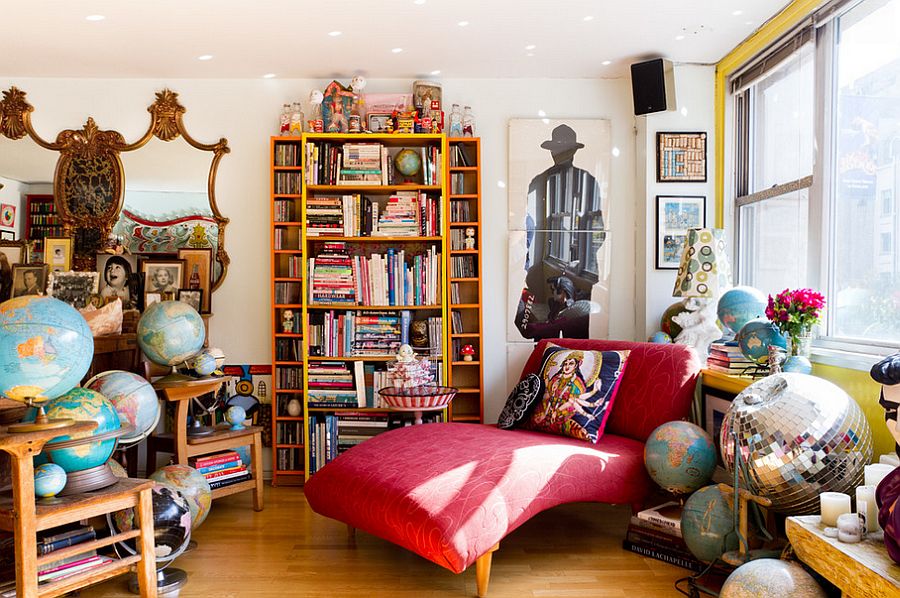
This is where many homeowners blink. They buy antiques, then strip out anything quirky for fear it will look unserious. Big mistake. A serious room with no oddity feels like a hotel lobby.
Try combinations like these:
- An antique chest with a bright painted lamp
- A formal dining table with rush seats or folk art
- A moody wall color with a childlike patterned textile
- A carved mirror above a simple country bench
Honestly, that mismatch is often the point.
What makes the style feel Swedish, not theatrical
Plenty of designers can make a room dark. Far fewer can keep it livable. Swedish interiors, even the eccentric ones, usually hold onto practicality, light balance, and a plainspoken honesty in materials. Painted wood, patina, visible grain, and useful furniture keep the mood from turning into costume.
That matters if you want the look to last beyond the first week. A home still needs to function on a Tuesday morning.
So what separates moody from overdone?
- Natural materials that age well
- Rooms with breathing space, not visual traffic jams
- Furniture you can actually use
- Color shifts that feel intentional, not random
- Decor that hints at personality instead of shouting it
And there is another factor. Swedish country spaces often respect the building itself. They do not fight the architecture at every turn. If your home has low ceilings, make it cozy. If it has odd corners, work with them. Forcing a cathedral mood into a builder-grade box rarely ends well (and usually costs too much).
Room-by-room ideas you can try this weekend
Living room
Paint one bookcase, mantel, or feature wall a deep earthy tone. Add one small-scale whimsical detail, like pleated shades or a patterned cushion. Then ground the room with one substantial wood or iron piece.
Bedroom
Use a darker wall behind the bed, then soften it with light bedding and a vintage-style lamp. A canopy, half canopy, or tall headboard can echo that cathedral-like vertical pull without feeling silly.
Dining room
Choose one formal element, maybe a candelabra-style fixture or an oversized framed painting. Offset it with simpler chairs or a painted sideboard. That push and pull keeps the room from looking rehearsed.
Entry
An entry is the easiest place to test this style. Try a dark wall color, a narrow antique table, and one object with a bit of humor or sweetness. Why should the first space in the house be the most forgettable?
What this home gets right about personality
A lot of design advice still pushes the same sterile formula. Declutter. Neutralize. Smooth everything out. But the homes people remember usually have edges. This Swedish project, as presented by Architectural Digest, understands that personality is not clutter. It is selection.
That means editing with a point of view. Keep the pieces that create tension, memory, or curiosity. Lose the filler. A room should reveal your taste in layers, like an old building that has been added to over time, not a showroom installed in one afternoon.
Before you try the look
If you want to borrow from this Swedish country home design, keep your plan tight:
- Pick one dark tone and repeat it in at least two places
- Choose one architectural or oversized item for drama
- Add one playful or delicate detail per room
- Limit obvious statement pieces so the space does not turn noisy
- Photograph the room before and after, because imbalance shows up fast in photos
The smartest move is to start small, then add weight where the room can handle it. If more homeowners took that route, we would see fewer copycat spaces and better ones. And that is a future I can get behind.