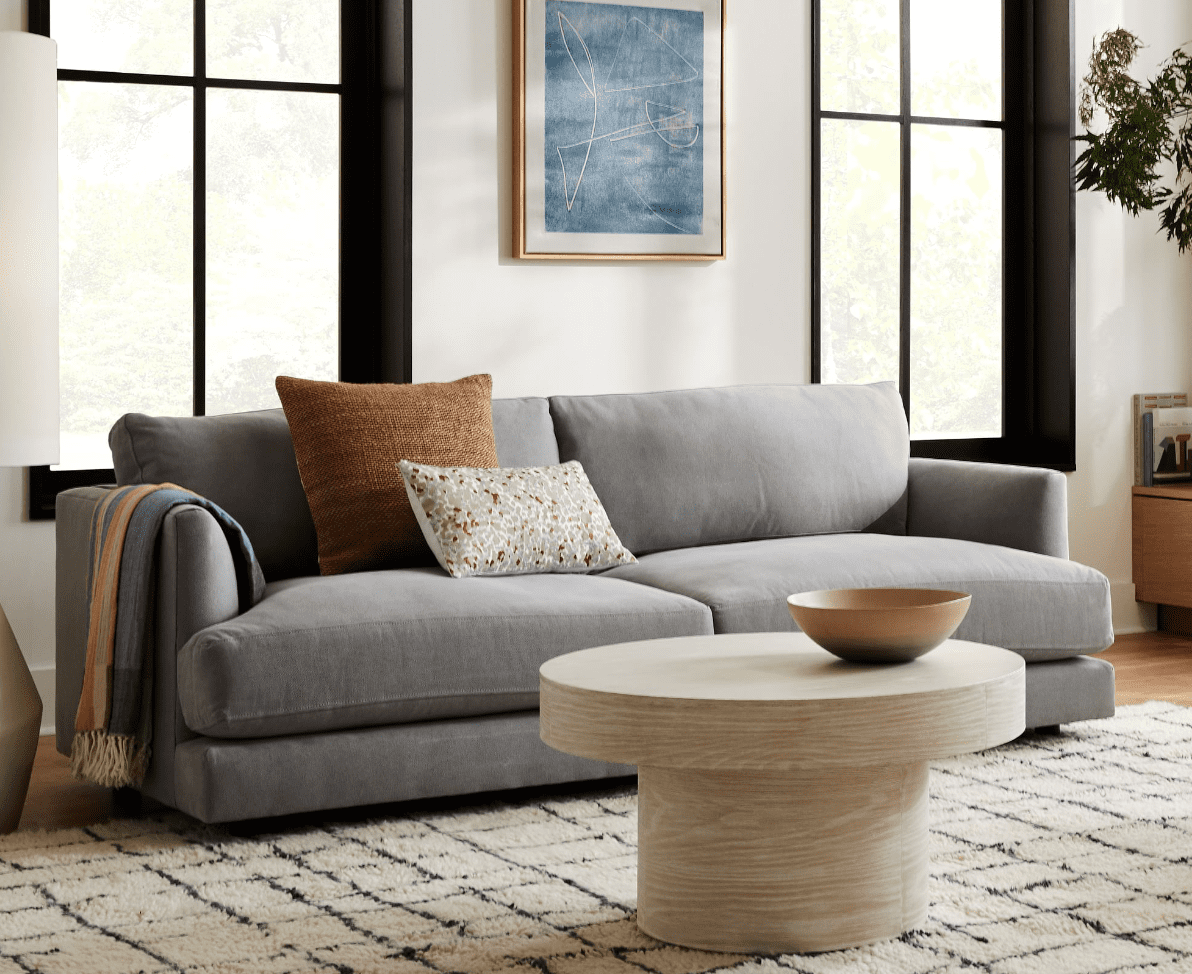
West Elm Haven Sofa Review: Is It Worth the Money?
If you are shopping for a new sofa, the stakes are high. You want something that looks good, feels good, and does not sag after a year. This West Elm Haven sofa review gets to the part that matters: whether the Haven actually earns its price tag or just photographs well in a showroom.
The Haven has become a popular pick because it hits a sweet spot on paper. It is modern, roomy, and customizable, with the kind of low, relaxed profile that fits many living rooms. But sofas are like kitchen knives. The finish can look great, yet the real test is daily use. Does it hold up for lounging, guests, pets, and long nights in front of the TV? That is the question buyers need answered before they spend this much money.
What stands out in this West Elm Haven sofa review
- Deep seats make it strong for lounging, but they are not ideal for everyone.
- Modular options give you flexibility if your room is awkward or small.
- Fabric choice matters because comfort and upkeep change a lot by upholstery.
- Style is a plus if you want a low, clean silhouette.
- Price is the pressure point, especially once you add custom upgrades.
What is the West Elm Haven sofa trying to do?
The Haven is built for relaxed seating. It has a deep frame, broad cushions, and a low stance that gives it a casual look without feeling sloppy. That design works well if you want a sofa that feels more lounge-first than formal.
But here is the catch. Deep sofas are comfortable for some people and annoying for others. If you are shorter, you may need extra throw pillows to sit upright. If you are taller, the extra depth may feel like a win. Who is this sofa really for? People who like to stretch out, not people who want a rigid, upright perch.
My read: the Haven is a style-forward sofa with real comfort appeal, but it rewards buyers who know how they sit and live, not just how they decorate.
West Elm Haven sofa review: comfort and daily use
Comfort is the main reason people consider the Haven. The seat depth gives you room to curl up, and the cushion layout feels built for long hangs rather than stiff formal seating. That makes it a better fit for apartments and family rooms than a guest room sofa that sees occasional use.
The downside is simple. Deep, soft seating can invite slouching. If your lower back needs firm support, you may find yourself adjusting more than you expected. And if you have pets or kids, cushion maintenance matters just as much as first impression.
Tip: before buying, measure your seating posture, not just your room. Sit on a sofa with a similar depth and see if your feet touch the floor comfortably.
Fabric and finish choices change the experience
West Elm offers the Haven in several upholstery options, and that choice can change the whole mood of the sofa. Performance fabrics usually make more sense for busy homes because they are easier to clean. Texture-rich fabrics can look warmer and more expensive, but they may demand more care.
If you want a sofa that ages gracefully, look for a fabric that can handle real life. Spills happen. Hair happens. Life happens.
How the Haven compares on size and layout
The Haven often works best when you have room to spare. Its deep frame can dominate a small living room if you do not plan the layout carefully. Think of it like placing a large dining table in a compact kitchen. It can fit, but only if you respect the traffic flow.
Modular configurations help here. If you need a sectional, corner setup, or a more flexible arrangement, the Haven line gives you options that can adapt to a weird floor plan. That makes it more useful than a fixed three-seater for some homes.
- Measure wall length and walkway space first.
- Check sofa depth against your coffee table and rug size.
- Leave enough room to walk around the arms without squeezing past.
- Compare the sofa height with nearby windows, shelves, and TV sight lines.
West Elm Haven sofa review: style, value, and the real tradeoff
The Haven looks polished without feeling sterile. That is part of its appeal. The silhouette feels current, but not so trendy that it will look dated next year. For many shoppers, that balance is the whole point.
Value is harder to pin down. West Elm sits in the mid-to-upper range, so the Haven is not an impulse buy. You are paying for design, customization, and brand reputation. If you want a sofa that looks tailored and gives you flexible setup choices, the price can make sense. If you just want a sturdy seat, there are cheaper options with less risk.
One thing matters more than the marketing copy: how the frame and cushions feel after months of use. A pretty sofa that breaks down fast is a bad deal. Plain and simple.
Who should buy the Haven, and who should skip it?
Buy it if you:
- Want a deep, lounge-friendly sofa.
- Like a clean, low profile.
- Need modular flexibility for a tricky layout.
- Are willing to pay more for design choices that fit your space.
Skip it if you:
- Prefer a firmer, more upright seat.
- Have a very small room.
- Want the lowest possible price.
- Do not want to think hard about fabric upkeep.
The smartest sofa purchase is the one that matches how you actually live, not how you imagine the room on day one. The Haven can be a strong buy for the right buyer, but it is not a universal answer. That is the honest part of this West Elm Haven sofa review.
What to do before you order
Before you click buy, check three things. Measure your space, decide how upright you like to sit, and choose upholstery based on cleaning needs rather than just color. Those three decisions will tell you more than a polished product photo ever will.
If you are still torn, compare the Haven against one sofa that is shallower and one that is firmer. That side-by-side test usually makes the answer obvious. And if you have to ask whether the depth is too much, it probably is.