AI Closet Decluttering Tips That Actually Work
If your closet feels full but you still have nothing to wear, you are not alone. The hard part is not opening the door. It is deciding what stays, what goes, and what needs a better home. That is where AI closet decluttering can help. It gives you a faster way to sort clothing, spot duplicates, and build rules you can actually follow without standing in front of a pile of jeans for an hour.
Used well, AI is not magic. It is a sorting tool. Think of it like a sharp assistant in a busy kitchen. You still decide the menu, but it can speed up prep and cut waste. And if your closet has become a catchall for past moods, old sizes, and aspirational shopping, a little structure can feel seismic.
Here is the trick. Use AI to make decisions easier, not to make them for you.
What AI closet decluttering can help you do
- Group similar items so you can see how many black tees, blazers, or white sneakers you own.
- Flag duplicates that serve the same job and crowd your storage.
- Build keep, donate, and repair lists based on your answers and your actual routine.
- Plan outfit gaps so you stop buying versions of what you already have.
- Create a maintenance system for seasonal switches and weekly resets.
How to use AI closet decluttering without making it messy
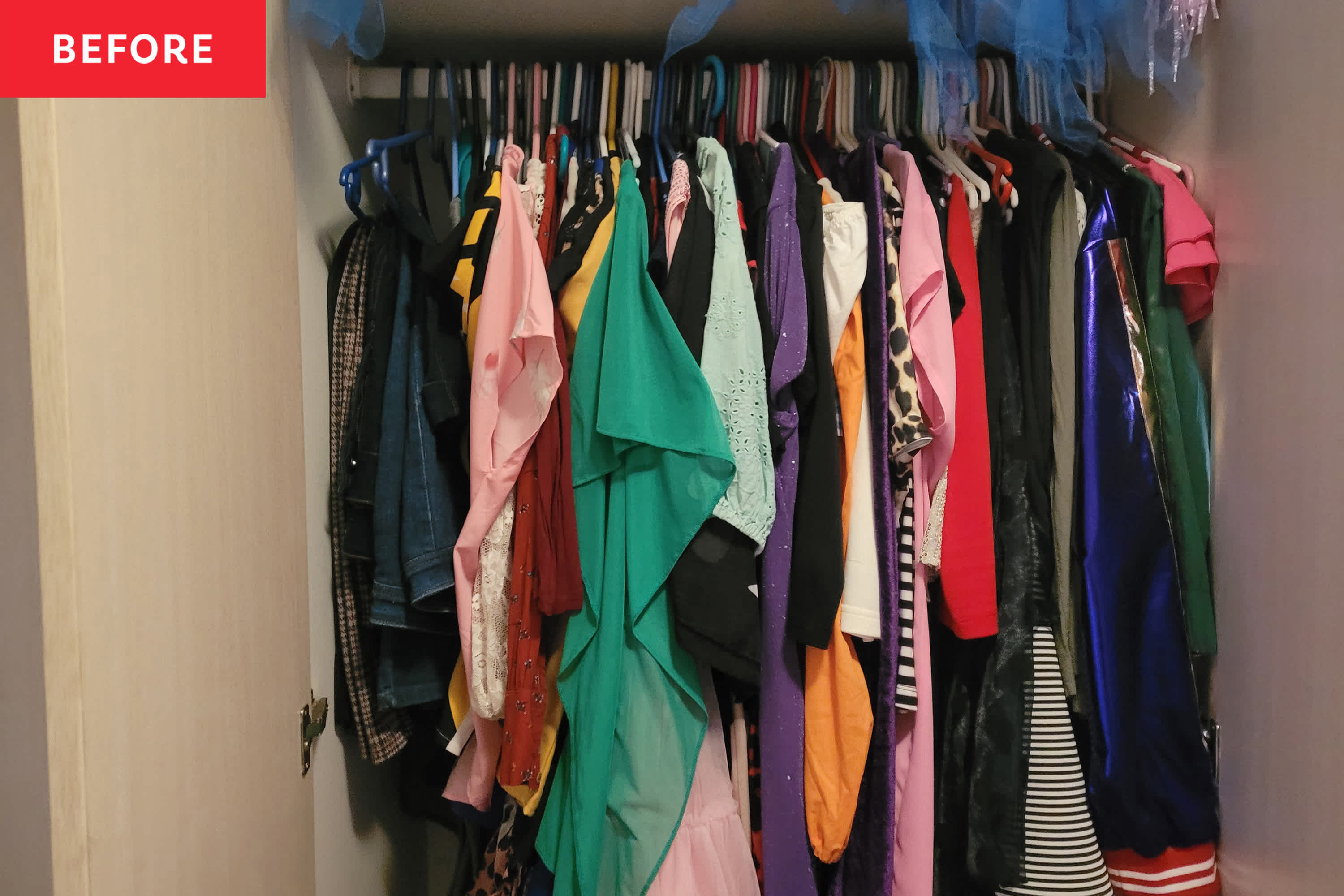
Start with photos. Snap your closet rod, drawers, shoe shelf, and one pile of items on the floor. Then ask an AI tool to help categorize the clothing by type, season, color, or use. The goal is not perfect inventory software. The goal is a faster first draft.
AI works best here when you treat it like a sorting clerk, not a style guru. You bring the judgment. It brings speed.
Ask direct prompts. Try, “Group these clothes into work, weekend, exercise, and special occasion,” or “Which items look redundant based on function?” If you have more than one of the same thing, AI can help you see the pattern. That matters because clutter often hides in repetition.
Want a more useful question? Ask this: “If I wore this item once a week, would it earn its place?” That cuts through wishful thinking fast.
Use simple rules, not emotional debates
Closet clutter often survives because every item has a story. The jacket was expensive. The dress might fit again. The shoes hurt, but they looked good. AI cannot care about those stories, and that is a strength.
Build rules you can apply in seconds:
- If it does not fit now and you have no clear plan for it, move it out.
- If you have three items that do the same job, keep the one you wear most.
- If you have not worn it in 12 months, question why.
- If it needs a repair you keep postponing, schedule it or donate it.
That process is boring. Good. Boring is what keeps your closet usable.
Where AI closet decluttering goes wrong
The biggest mistake is asking AI to decide too much. It can misread fabrics, miss context, or treat every item like it belongs in a perfect capsule wardrobe. Your life is less tidy than that. Maybe you need two formal outfits because your job demands it. Maybe the gym tank that looks redundant is the only one that does not ride up.
So check the output against your real week. Do you work in an office? Do you live in a warm climate? Do you dress for school drop-off, client meetings, or weekend hikes? Those details matter more than any generic rule set.
Also, do not turn decluttering into a shopping prompt. If AI tells you what is missing, pause before you buy. First, see whether a gap can be filled by what you already own, altered, or repaired.
A practical workflow for AI closet decluttering
Use this simple sequence and keep it moving.
- Step 1: Pull everything from one category, like shirts or shoes.
- Step 2: Photograph the group in plain light.
- Step 3: Ask AI to cluster items by function and identify obvious repeats.
- Step 4: Sort the items into keep, donate, repair, and maybe.
- Step 5: Put the keep pile back in a way that matches how you dress.
Keep the “maybe” pile small. Set a date to revisit it in two weeks. If you have not needed the item by then, the closet has already given you the answer.
And keep one single-sentence paragraph in mind.
Clarity beats volume.
Why this method sticks better than a one-time purge
A closet reset only works if you can maintain it. AI helps here by turning a vague project into a repeatable routine. You can use the same prompts every season, compare before-and-after photos, and spot where clutter creeps back in.
That is the real win. Not a dramatic purge. A system that makes the next decision easier than the last one.
Look at your closet the way a chef looks at a pantry. If every ingredient has a place, dinner gets easier. If everything is shoved together, you waste time and buy things you already have. Why keep fighting the same mess every month?
Make your closet easier to live with
Start with one drawer, one rack, or one category. Use AI closet decluttering to speed up the sorting, then trust your own routine to finish the job. The best closet is not the one with the fewest items. It is the one that matches how you actually live, dress, and move through the week. If you want a cleaner system, begin with the messiest category and ask one blunt question. What is still earning its space?