Virtual Phone Number for Spam Calls: A Smarter Fix
If your phone keeps lighting up with junk calls, you are not imagining it. Spam has become a daily tax on your time, and your real number is often the part that gets exposed first. A virtual phone number can help you put a layer between your real line and the places that demand it, like online forms, marketplaces, and temporary signups. That matters now because robocalls are still everywhere, even after years of carrier filters and enforcement. The FCC continues to warn consumers about unwanted calls, and the FTC keeps a steady record of complaint volume. So if you want fewer interruptions without changing your primary number, this is one of the cleanest moves you can make.
What a virtual phone number actually does
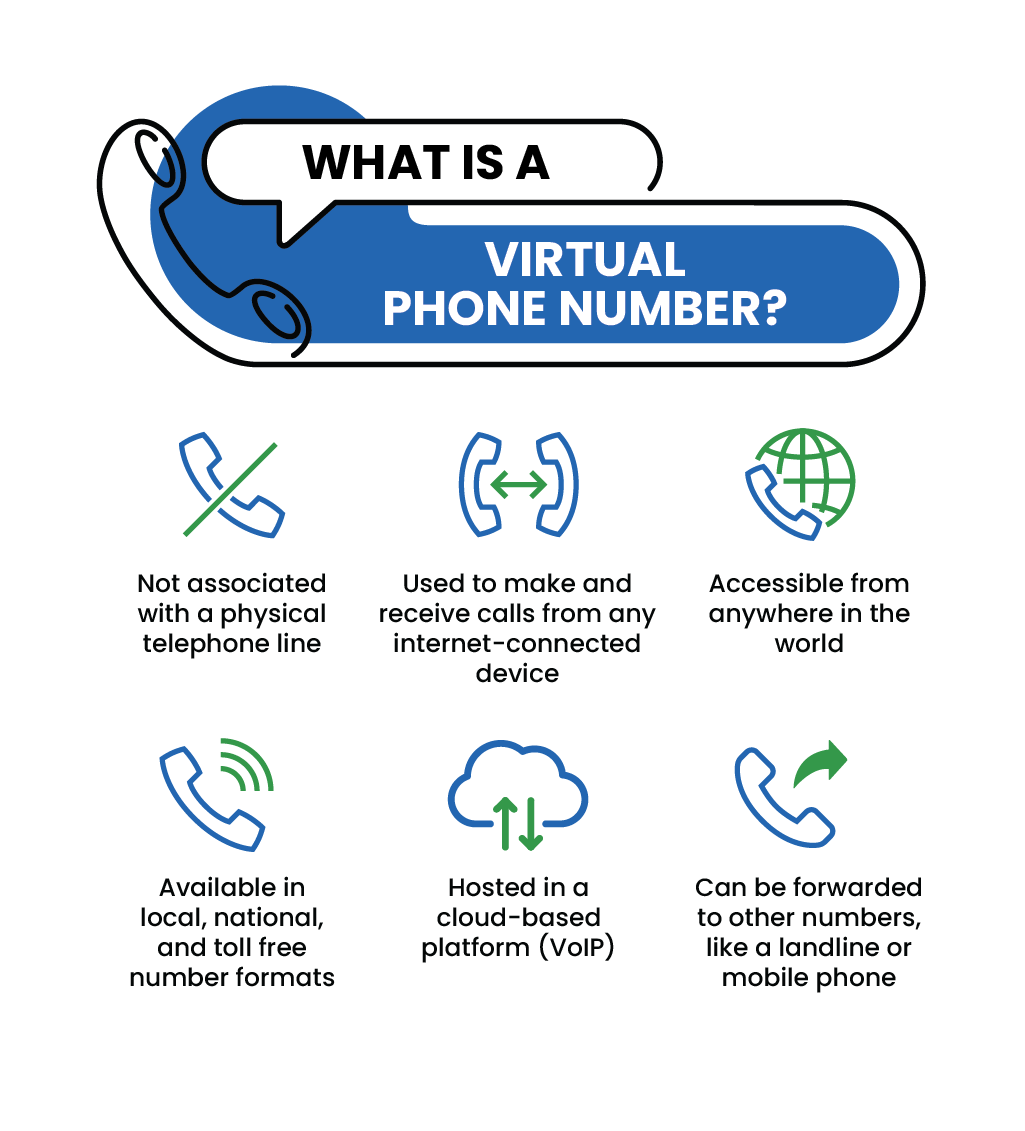
A virtual phone number is a number that routes calls and texts through an app or service instead of a single physical SIM card. You can answer it on your phone, tablet, or computer, depending on the provider. Think of it like a side entrance for your communications. You hand out the side entrance when you do not fully trust the crowd at the door.
That separation matters because your main number should stay private. Once your real number spreads across retail signups, listings, and one-off forms, spam follows. And yes, data brokers can make the problem worse by passing numbers around in ways most people never see.
Why a virtual phone number helps with spam
It reduces exposure. Use the virtual number for purchases, trial accounts, rental listings, or short-term projects. If a list gets scraped or sold, your real line stays cleaner.
It makes filtering easier. You can dedicate one number to high-risk uses and silence it when needed. That is simpler than trying to train your main phone to ignore everything.
It creates separation. Personal, work, and public-facing calls stop blending together. That alone can cut down on missed calls and mental clutter.
Spam control is mostly about reducing where your number gets shared. A virtual line gives you one more place to stop the leak.
How to choose the right virtual phone number
Not every service fits the same job. Some are built for business, others for privacy, and some are barely more than a forwarding feature with an app on top. Ask a few blunt questions before you sign up. Will the number handle texts, or only calls? Can you port it later if you need to? Does the provider keep logs, and for how long?
- Check call and text support. If you need two-factor codes, make sure the number works for SMS.
- Look at number ownership. Some services let you keep the number if you leave. Others do not.
- Read the pricing. A cheap plan can get expensive once you add texting, international calls, or extra numbers.
- Test the app. If the interface is clunky, you will stop using it. And then the whole setup falls apart.
Virtual phone number for spam: best ways to use it
This is where people get lazy. They buy the number and then hand it out everywhere. That defeats the point. Use it with discipline.
- Online shopping and coupon forms: Use the virtual number instead of your real one.
- Marketplace listings: Keep Craigslist, Facebook Marketplace, and rental posts off your personal line.
- Short-term accounts: Use it for apps, promotions, or services you may not keep.
- Work separation: Keep freelance or side-gig calls away from family time.
- Call screening: Send unknown callers to voicemail and review them later.
Here is the thing. A virtual number works best when you treat it like a filter, not a replacement for judgment. If a form looks shady, do not give it either number. Why hand over more data than you need?
What to expect from the limits
A virtual phone number will not erase spam on its own. Some spam callers use random dialing, so they can hit any number they find. Others target numbers they have already seen in public records or leaks. But a virtual number can still shrink the blast radius.
Also, some services do not play nicely with verification codes from banks, schools, or government sites. That is a real limitation. Before you rely on one for critical accounts, test it with a low-stakes service first. Like trying a new oven, you want to know how it behaves before you cook the whole meal.
One single-sentence reality check: No phone number is invisible.
How to pair it with other spam defenses
Use the virtual number as one layer, not the whole plan. Your carrier may offer spam labeling or call blocking. Your phone may also let you silence unknown callers. iPhone and Android both have built-in call screening tools now, and they are worth turning on.
And keep your real number off public profiles. That is still one of the simplest wins. If a service asks for a phone number and it does not need one, leave it blank or use the virtual line.
A practical setup that works
If you want the cleanest approach, split your numbers by purpose. Keep your real number for family, medical offices, financial institutions, and trusted contacts. Use the virtual number for signups, public listings, and places that have a higher chance of dumping your data into a marketing pile.
That setup is boring. Good. Boring systems hold up.
Keep your main number protected
Spam calls are not a mystery anymore. They are a management problem. A virtual phone number gives you a way to limit exposure without giving up convenience. Use it for the noisy parts of your life, and keep your real number for the people and services that truly need it. If you can cut one channel of spam today, why would you wait?