Living Room Refresh Ideas That Work
If your living room feels flat, the fix usually is not a full remodel. It is a set of small, smart changes that shift how the room works and how it feels. That is where living room refresh ideas come in. You can change the mood, improve traffic flow, and make the room easier to use without tearing out floors or buying everything new.
Look at the room like a coach looking at a lineup. A few swaps can change the whole game. Move one piece, replace one lamp, edit what is on display, and the space starts to breathe. Why keep living with a room that feels crowded or dull when the fix may take an afternoon?
What to change first with living room refresh ideas
- Start with layout. A better furniture arrangement often helps more than new decor.
- Clear visual clutter. Too many objects make even a large room feel cramped.
- Upgrade lighting. Layered light changes the mood fast.
- Use textiles. Rugs, pillows, and curtains can shift color and texture without major spending.
- Pick one focal point. Give the eye a place to land.
How to use living room refresh ideas without overspending
Start by changing what costs nothing. Pull furniture away from the walls if the room feels stiff. Angle a chair toward a sofa to create a conversation zone. Swap objects between rooms before you buy anything new. Sometimes the best update is already in your house.
Then edit hard. A coffee table covered in trays, remotes, and old mail drags the whole room down. Remove half of what is on open shelves and see what happens. The room will feel larger, and the remaining objects will read more clearly.
Small changes often beat big purchases. A room with better light, better spacing, and fewer distractions usually feels more finished than one packed with expensive decor.
Why lighting matters in living room refresh ideas
Lighting changes the room faster than paint in many cases. Overhead light alone can feel harsh, especially at night. Add a floor lamp, a table lamp, or a pair of sconces if you can. Warm bulbs usually work better for a living room because they soften skin tones and reduce glare.
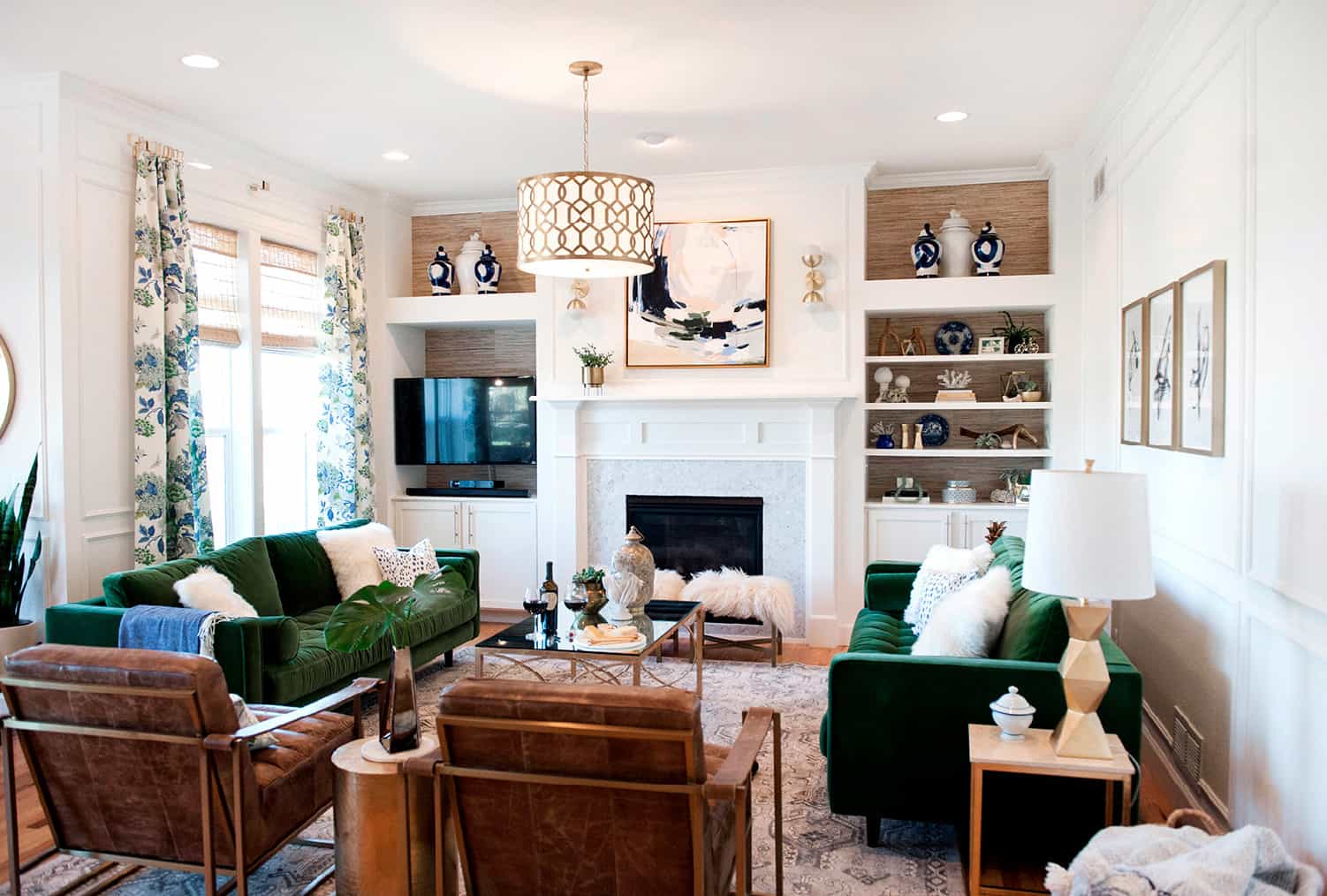
Think in layers. Ambient light fills the room. Task light helps you read or work. Accent light highlights art, a plant, or a shelf. That mix gives the room depth, almost like building a meal with a main dish, a side, and a sauce instead of serving one plain plate.
Easy lighting swaps
- Replace one dim bulb with a warmer one.
- Add a lamp to a dark corner.
- Put a light near seating, not just at the perimeter.
- Use a dimmer if your fixture supports it.
How color and texture change the room
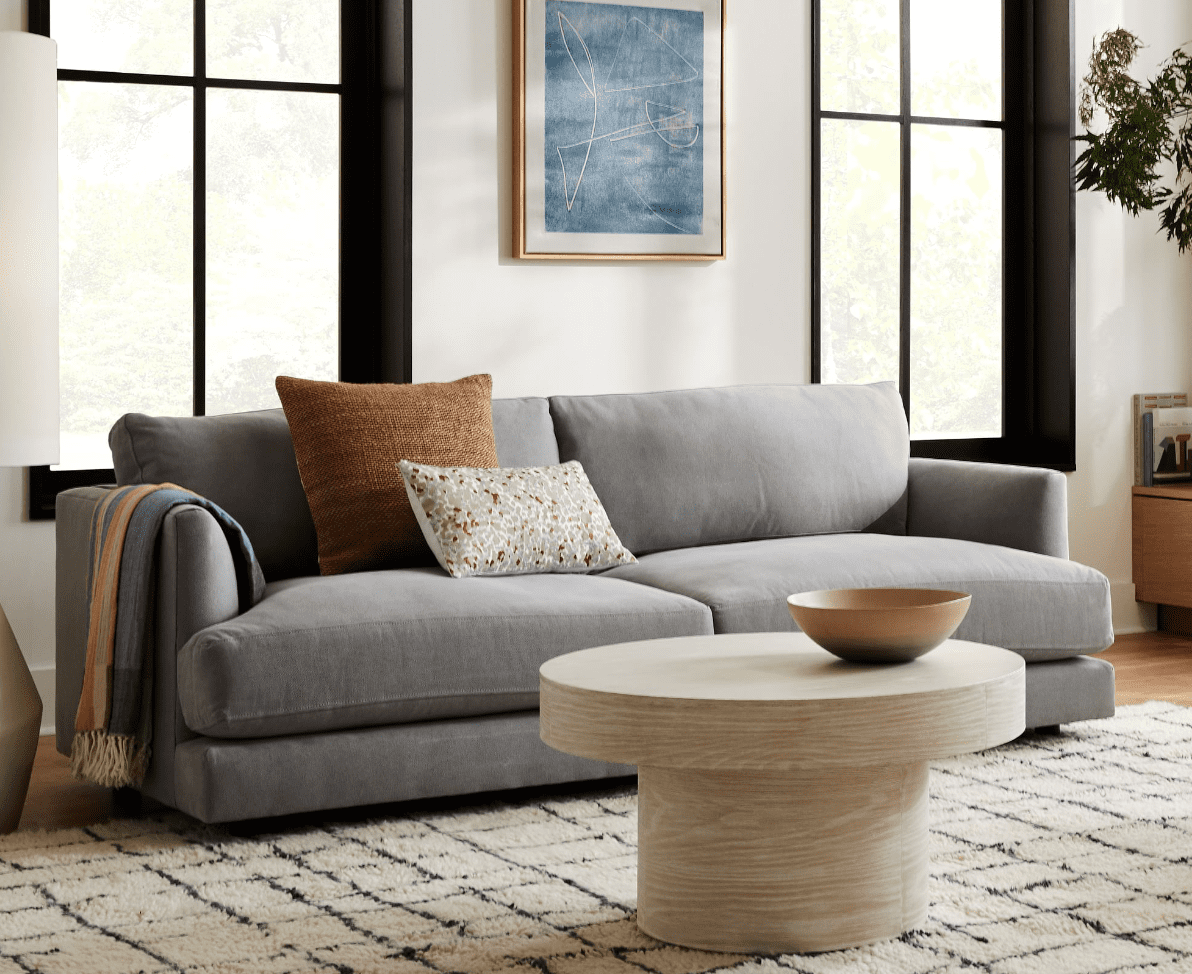
You do not need a full repaint to change the mood. A new throw blanket, a rug with more contrast, or curtains that hang cleanly can all shift the room’s tone. If the room already has a lot of pattern, choose solid textiles. If it feels plain, add texture through woven baskets, linen, wood, or boucle.
Color works best when it repeats. Pick one accent color and use it in two or three places. That could be a pillow, a vase, and a piece of art. Repetition makes a room feel intentional, not random.
Which furniture moves make the biggest difference?
Big rooms often fail because the furniture floats too far apart. Small rooms often fail because everything is pushed tight together. Both problems are fixable. Ask yourself one thing: does this layout help people talk, relax, and move through the room easily?
If the answer is no, try these moves. Move the sofa closer to the seating group. Turn a side chair toward the center. Replace one bulky table with a lighter piece. If your room has a TV, make sure it does not dominate every sightline unless that is truly the room’s purpose.
- Keep walking paths open.
- Group seating by function.
- Leave space around larger pieces so they do not feel jammed in.
- Use a rug large enough to connect the main furniture.
What details make a living room feel finished?
Details matter because they signal care. Hang art at a sensible height. Use frames that match the room’s style. Hide cords where you can. Replace a sagging pillow insert. These are small fixes, but they add up fast.
And do not ignore scale. A tiny lamp on a large console looks timid. A rug that is too small can make the whole room feel off. The same goes for art. One oversized piece often looks stronger than a cluster of tiny frames that do not relate to each other.
Living room refresh ideas that last longer than trends
Choose changes that fit how you actually live. If you read at night, improve the lighting beside your chair. If you host friends, make conversation easier. If the room doubles as a family zone, pick materials that can handle wear. Good design is practical. Full stop.
Stick with updates that are easy to adjust later. That gives you room to change seasonally without starting over. And if you are unsure where to begin, do the simplest thing first. Move the furniture, clear the surfaces, change the light, then step back. What still feels wrong?
A better room starts with one honest edit
The fastest living room refresh ideas are rarely dramatic. They are careful. They remove what does not help and highlight what already works. That is the part most people miss. They shop before they edit.
Try one change this week. Not ten. One. Then live with it for a few days and see how the room responds. That is how you build a space that feels better every time you walk in.